Table of Contents
- Signs of Rodent Damage in Attic Insulation
- Health Risks of Contaminated Insulation
- The Best Way to Clean Rat Urine and Contamination
- The Attic Decontamination Process: What Professional Cleanup Involves
- Cost Factors and Long-Term ROI of Attic Insulation Cleanup
- Insulation Removal vs. Topping Off: Which Makes Sense for Your Situation
- Energy Efficiency and Structural Benefits After Cleanup
- Conclusion
- Frequently Asked Questions
Last Updated: September 20, 2026
Signs of Rodent Damage in Attic Insulation
Rodent damage in attic insulation goes far beyond scattered droppings. When rats or mice nest in your attic, they contaminate insulation with urine, feces, and nesting materials, creating a health hazard and energy efficiency problem that compounds over time. The damage typically starts small, a few droppings, some shredded material, but spreads quickly as rodents establish territories and reproduce.
Look for these specific warning signs. Dark pellets (rodent droppings) cluster in corners, along joists, or near entry points. Urine stains appear as dark discoloration on insulation batts and wood surfaces, often visible under a flashlight. Nesting material, shredded insulation, paper, fabric, accumulates in concentrated areas. A strong ammonia smell indicates active or recent urine contamination. You may also notice chewed wiring, gnawed wood, or small holes in insulation where rodents have burrowed.
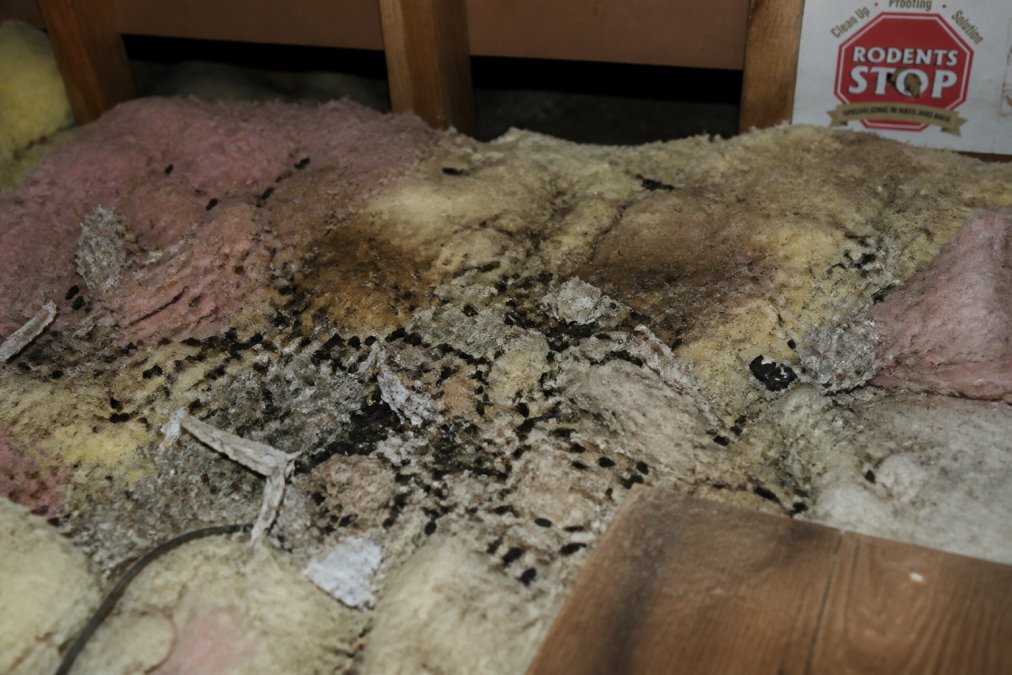
The severity of contamination determines whether you need attic insulation cleanup or can salvage portions of existing material. Light surface contamination on the top layer might be manageable with targeted removal. Heavy contamination throughout the depth of insulation, where urine has soaked through multiple layers, typically requires complete removal and replacement. Professional inspection reveals the true extent of damage, which homeowners often underestimate when assessing the situation themselves.
Check your attic twice yearly, especially after pest control treatment. Early detection of new rodent activity prevents contamination from spreading through your entire insulation system.
Health Risks of Contaminated Insulation
Rodent-contaminated insulation poses genuine health risks that extend beyond unpleasant odors. When rodents nest in insulation, they leave behind bacteria, viruses, and parasites in their droppings and urine. These pathogens can become airborne when disturbed, particularly when HVAC systems pull air through contaminated attic spaces, and enter living areas below.
Hantavirus, leptospirosis, and salmonella are the primary health concerns associated with rodent waste. Hantavirus is transmitted through inhalation of aerosolized particles from dried rodent droppings. Leptospirosis spreads through contact with contaminated urine. Salmonella can contaminate surfaces and food preparation areas. Individuals with compromised immune systems, respiratory conditions, or allergies face elevated risk from these pathogens.
Allergic reactions and respiratory irritation affect many homeowners exposed to contaminated insulation. Rodent allergens persist in insulation long after pest control eliminates the infestation. Histamine in rodent urine triggers allergic responses in sensitive individuals. Mold growth often accompanies rodent contamination, particularly in damp attics, adding another respiratory irritant to the environment.
Professional cleanup addresses these health hazards systematically. Specialized equipment like HEPA vacuums captures particles that standard household vacuums cannot contain. Proper sanitization eliminates pathogens from surfaces. Removing contaminated insulation eliminates the allergen source entirely. This comprehensive approach differs significantly from attempting DIY cleanup with basic supplies.
The Best Way to Clean Rat Urine and Contamination
Cleaning rat urine requires more than surface-level effort. The best way to clean rat urine involves identifying all contaminated areas, using appropriate protective equipment, and applying proper sanitization protocols. Urine soaks deep into insulation materials, creating persistent odors and leaving pathogens behind even after surface cleaning.
Start by identifying the full extent of urine contamination. Blacklight inspection reveals urine patterns invisible to the naked eye, showing where rodents traveled and nested. This step prevents missing contaminated zones that appear clean but harbor pathogens. Comprehensive mapping guides the cleanup process and prevents incomplete remediation.
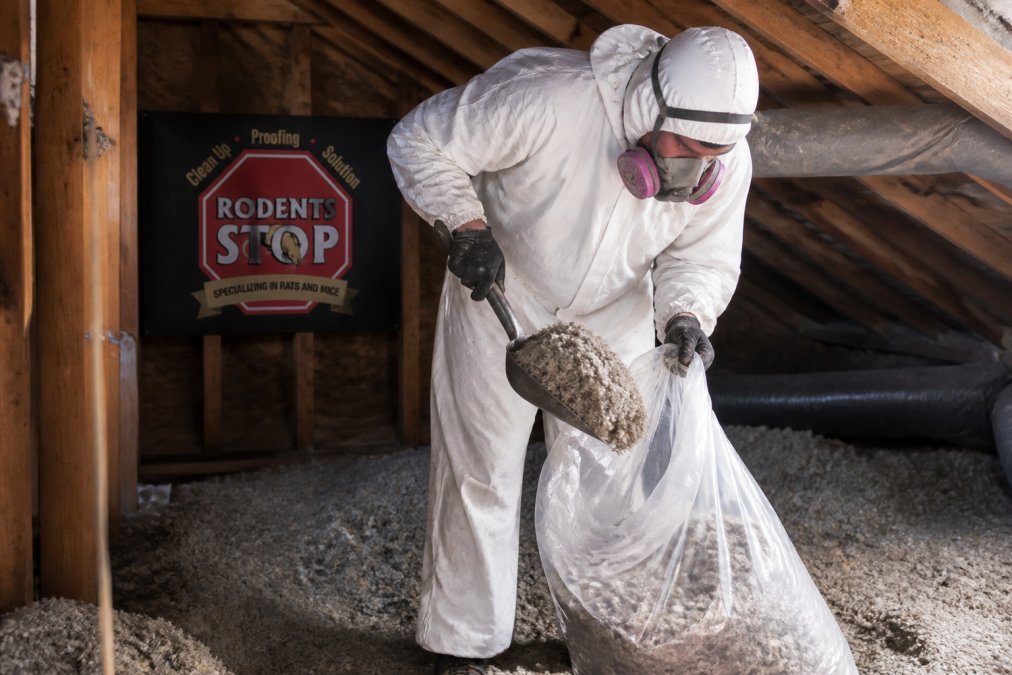
Proper protective equipment is non-negotiable when handling contaminated insulation. Respiratory protection (N95 masks minimum, P100 for heavy contamination) prevents inhalation of aerosolized particles. Disposable gloves and full-body coverage protect against direct contact with pathogens. Eye protection shields against splashing during cleaning. This level of protection explains why professional cleanup differs from casual cleanup attempts.
Sanitization requires appropriate chemical treatment. Standard household bleach or disinfectants applied to insulation surfaces fail to penetrate deep contamination. Professional-grade sanitizers formulated for rodent decontamination reach into material fibers and kill pathogens effectively. Application methods matter, spraying, fogging, or immersion depending on material type and contamination severity, ensuring complete coverage and contact time.
Odor elimination addresses urine odors that persist after surface cleaning. Enzymatic treatments break down urine compounds at the molecular level, eliminating odor sources rather than masking them. Pheromone treatments remove scent markers that attract rodents back to previously infested areas. These specialized treatments go beyond what standard cleaning supplies can accomplish.
Never attempt to clean heavily contaminated insulation without proper respiratory protection. Disturbing contaminated material releases airborne pathogens that can cause serious respiratory illness, particularly in individuals with existing health conditions.
The Attic Decontamination Process: What Professional Cleanup Involves
Professional attic decontamination follows a structured process designed to restore contaminated spaces to safe, sanitary conditions. Understanding what professional cleanup involves helps homeowners appreciate the complexity of proper remediation and why DIY approaches often fall short.
The process begins with comprehensive inspection and assessment. Professionals document contamination extent, identify rodent entry points, assess structural damage, and evaluate insulation condition. This assessment determines whether insulation can be salvaged or requires complete removal. Inspection findings guide the cleanup plan and help identify conditions that enabled the original infestation.
Containment prevents contamination spread during cleanup. Plastic sheeting isolates the work area, preventing particles from entering living spaces. Negative air pressure systems direct airflow away from occupied areas. These precautions protect household occupants from exposure during the decontamination process.
Removal of contaminated materials follows containment setup. Heavily contaminated insulation is carefully removed and disposed of according to environmental regulations. Nesting materials, debris, and surface contamination are cleared systematically. This phase produces significant waste volume, homeowners are often surprised by the amount of material requiring removal.
HVAC ductwork and components receive special attention. Rodent droppings and nesting materials accumulate in ducts, requiring professional cleaning. HVAC systems may need component replacement if rodents damaged critical parts. Cleaning ducts prevents circulation of contaminated air through the home after insulation cleanup.
Sanitization of all surfaces follows material removal. Hard surfaces receive chemical treatment with professional-grade disinfectants. Wood framing, rafters, and structural components are sanitized to eliminate pathogens. This step ensures that even areas not visibly contaminated receive proper treatment.
New insulation installation completes the restoration. Fresh insulation restores thermal resistance (R-value) and energy efficiency. Professional installation ensures proper coverage, sealing, and ventilation to prevent moisture issues. Proper installation also reduces future rodent harborage opportunities.
Professional attic decontamination is not simply removing old insulation and installing new material, it’s a multi-step process addressing contamination, pathogens, structural damage, and energy efficiency simultaneously.
Cost Factors and Long-Term ROI of Attic Insulation Cleanup
Understanding cost factors and long-term return on investment helps homeowners evaluate whether attic insulation cleanup makes financial sense. The decision involves comparing cleanup costs against energy savings, health benefits, and prevention of future infestations.
Several factors influence cleanup costs. Contamination extent determines material removal volume and labor requirements. Attic size and accessibility affect how quickly crews can work. Structural damage requiring repair adds to the bill. Local labor rates and material costs vary by region. These variables mean cleanup pricing varies significantly between properties, making accurate quotes dependent on professional inspection.
Energy efficiency improvements generate long-term savings after cleanup. New insulation with proper R-value reduces heating and cooling costs year-round. Improved air sealing during cleanup minimizes thermal bridging and air leakage. These efficiency gains accumulate over years, offsetting cleanup investment through reduced utility bills. Homes with poor pre-cleanup insulation see the most dramatic energy improvements.
Health benefits resist simple quantification but carry real value. Eliminating pathogen sources reduces illness risk and respiratory problems. Improved indoor air quality benefits everyone in the home, particularly children and individuals with respiratory conditions. These health improvements have economic value even if not directly reflected in utility bills.
Prevention of future infestations protects the cleanup investment. Identifying and sealing rodent entry points during cleanup prevents reinfestations. Removing harborage areas (old insulation, debris) makes the attic less attractive to rodents. This preventive work extends the lifespan of new insulation and protects the home from repeat infestations.
Property value considerations matter for homeowners planning to sell. Documented attic decontamination and new insulation improve home inspection outcomes. Buyers appreciate evidence of professional cleanup addressing contamination issues.
Insulation Removal vs. Topping Off: Which Makes Sense for Your Situation
The decision between complete insulation removal and topping off existing insulation depends on contamination extent, current R-value, and budget constraints. Both approaches have merits in specific situations, but contamination severity should drive the decision.
Energy Efficiency and Structural Benefits After Cleanup
Attic insulation cleanup delivers measurable energy efficiency improvements that benefit homeowners for years. New insulation with proper R-value significantly reduces heating and cooling costs compared to contaminated or degraded material. These efficiency gains represent the most quantifiable return on cleanup investment.
Conclusion
Attic insulation cleanup addresses a genuine problem that extends far beyond appearance or odor. Rodent-contaminated insulation poses health risks, compromises energy efficiency, and creates conditions for repeat infestations. The decision to pursue cleanup depends on contamination extent, current insulation condition, and long-term home performance goals.
Frequently Asked Questions
Is attic insulation cleanup worth it after a rodent infestation?
Yes, attic insulation cleanup is worth it after rodent infestation. Contaminated insulation poses serious health risks including hantavirus exposure, bacterial infection, and allergic reactions. Professional cleanup removes hazardous materials, eliminates odors, and restores thermal efficiency. The investment protects your family’s health and prevents future infestations by addressing entry points and sanitation issues that attract rodents.
What are the health risks of leaving rodent-contaminated insulation in an attic?
Rodent-contaminated insulation carries multiple health hazards. Rodent droppings and urine contain bacteria, viruses, and allergens that become airborne when disturbed. Hantavirus, leptospirosis, and salmonella are serious pathogens found in rodent waste. Mold growth on contaminated insulation releases spores that trigger respiratory issues, asthma, and allergic reactions. Children and elderly family members face higher risk. Professional removal eliminates these hazards safely using proper containment and HEPA filtration.
What is the best way to clean rat urine from attic insulation?
Professional attic decontamination is the safest approach for rat urine cleanup. DIY cleaning with regular vacuums and bleach spreads contamination and poses health risks. Professional teams use HEPA-filtered vacuums, enzyme-based cleaners that break down urine compounds, and hospital-grade disinfectants. They apply odor-neutralizing treatments and may replace contaminated insulation entirely. This prevents airborne pathogen exposure and ensures complete odor elimination that DIY methods cannot achieve.
How often should you have your attic professionally cleaned after rodent removal?
After initial professional cleanup, most homeowners benefit from annual attic inspections to catch early signs of new infestations or insulation degradation. If entry points are properly sealed and preventive measures are maintained, major cleanups may not be needed for several years. However, any new rodent activity or visible damage warrants immediate professional assessment. Regular inspections cost far less than addressing advanced infestations and contamination.