Table of Contents
- What Professional Insulation Removal and Replacement Involves
- Signs Your Attic Insulation Needs Removal and Replacement
- Rodent Damage to Attic Insulation: Health and Performance Impact
- The Professional Insulation Removal Process
- Attic Sanitation and Decontamination After Removal
- Cost of Professional Attic Cleanup and Replacement
- Safety Protocols and Why Professional Removal Matters
- Frequently Asked Questions
What Professional Insulation Removal and Replacement Involves
Professional insulation removal and replacement is the process of safely extracting contaminated, damaged, or deteriorated insulation from attics, crawl spaces, and walls, followed by thorough decontamination and installation of new material. When rodents invade a home, they don’t just leave droppings behind, they contaminate insulation with urine, feces, and nesting debris that poses serious health risks and degrades thermal performance. At Rodent cleanup experts, we understand that professional insulation removal goes far beyond simple cleanup. It requires specialized equipment, protective protocols, and expertise to handle hazardous materials safely.
The process typically involves several distinct phases. First, the contaminated insulation must be carefully removed using industrial-grade equipment to prevent particles from spreading throughout the home. Next, the affected areas undergo deep decontamination using HEPA filtration and sanitizing treatments to eliminate bacteria, allergens, and odors. Finally, new insulation is installed to restore the home’s energy efficiency and thermal envelope integrity.
Many homeowners underestimate the scope of this work. DIY cleanup with a regular vacuum and bleach leaves behind microscopic pathogens and fails to address the underlying structural damage rodents cause. Professional insulation removal addresses both the visible contamination and the hidden threats that compromise indoor air quality and home performance.
The difference between cleanup and professional remediation comes down to equipment and protocols. HEPA-filtered industrial vacuums capture particles as small as 0.3 microns, something a household vacuum simply cannot achieve. This matters because rodent-borne pathogens remain airborne long after visible droppings are removed.
Signs Your Attic Insulation Needs Removal and Replacement
Recognizing when insulation has reached the point of needing professional removal prevents health problems and energy waste. The most obvious sign is visible rodent activity, droppings, nesting materials, chewed insulation, or gnawed wiring indicate active or recent infestation. However, damage often extends beyond what’s immediately visible.
Persistent odors are a key indicator. If your home smells musty, ammonia-like, or distinctly unpleasant despite pest control efforts, contaminated insulation is likely the source. Rodent urine soaks into fiberglass batts and cellulose, creating odor sources that standard cleaning cannot eliminate. These smells often linger for months after pest treatment ends because the insulation itself remains contaminated.
Energy bills that suddenly spike suggest compromised insulation performance. Rodents damage the insulation’s R-value by compressing it, creating gaps, and chewing through vapor barriers. A home that suddenly requires more heating or cooling to maintain comfortable temperatures may have insulation that no longer functions properly.
Visible mold growth, water stains, or discoloration on ceiling drywall indicate moisture problems often linked to rodent damage. Rodents create openings in the insulation and air sealing, allowing humid air to penetrate the attic and condense on cold surfaces. This moisture accelerates mold growth and wood rot.
Allergic reactions or respiratory symptoms that worsen indoors point to poor indoor air quality. Contaminated insulation releases allergens, bacteria, and fungal spores into living spaces through air leakage and HVAC circulation. If family members experience unexplained coughing, sneezing, or asthma flare-ups inside the home, professional inspection of the attic becomes essential.
Rodent Damage to Attic Insulation: Health and Performance Impact
Rodent damage to attic insulation creates a dual threat: immediate health hazards and long-term structural performance degradation. When mice and rats nest in insulation, they contaminate it with feces, urine, and saliva that harbor harmful pathogens. Hantavirus, leptospirosis, and salmonella are among the diseases associated with rodent droppings. These pathogens don’t die when pest control eliminates the animals, they remain viable in the contaminated insulation indefinitely.
The health impact extends beyond direct contact with droppings. Aerosolization occurs when disturbed insulation releases particles into the air. Vacuuming, movement in the attic, or even HVAC operation can suspend microscopic contaminated particles that circulate through the home’s ductwork. Vulnerable populations, young children, elderly residents, and those with compromised immune systems, face elevated risk from prolonged exposure.
From a performance standpoint, rodent damage severely compromises the insulation’s thermal properties. Rodents compress insulation by nesting and moving through it, reducing its effective R-value. They chew through vapor barriers and air sealing materials, creating pathways for air infiltration and moisture infiltration. A damaged insulation layer no longer prevents heat transfer effectively, forcing HVAC systems to work harder and longer to maintain indoor temperatures.
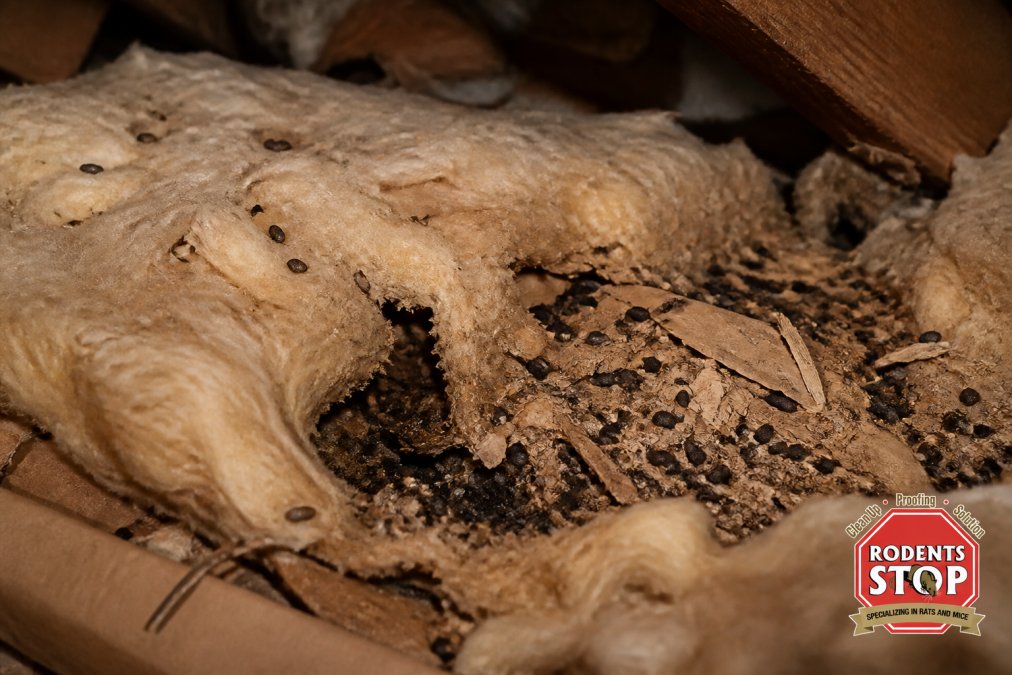
The cumulative effect is substantial energy waste. A home with compromised attic insulation can lose 25-40% more conditioned air than a properly sealed and insulated space. Over a heating or cooling season, this translates to significantly higher utility costs. Beyond the immediate expense, the extended runtime of HVAC equipment accelerates wear and increases maintenance needs.
Moisture control deteriorates when rodent damage compromises the insulation system. The vapor barrier, whether it’s kraft paper facing or a dedicated membrane, becomes breached. Warm, humid air from living spaces rises into the attic and condenses on cold surfaces, creating conditions for mold growth. Mold not only damages wood framing but also releases spores that degrade indoor air quality throughout the home.
Never attempt to clean contaminated insulation yourself with household products. Disturbing rodent-infested insulation without proper respiratory protection and HEPA filtration can spread pathogens throughout your home’s air system. The health risk outweighs any cost savings from DIY cleanup. Professional [rodent infestation](/attic-restoration-after-rodent-infestation/) cleanup ensures that contamination is properly contained and eliminated.
The Professional Insulation Removal Process
Professional insulation removal follows a structured protocol designed to contain contamination and protect both workers and occupants. The process begins with a comprehensive inspection to assess the extent of damage, identify the type of insulation present, and determine whether hazardous materials like asbestos or vermiculite are involved. This assessment informs the removal strategy and equipment needed.
Containment is the first critical step. Technicians seal off the work area using plastic sheeting and negative pressure systems to prevent contaminated particles from migrating into occupied spaces. Temporary HEPA filtration units run continuously during removal to capture airborne particles. This containment protocol is what separates professional remediation from amateur cleanup.
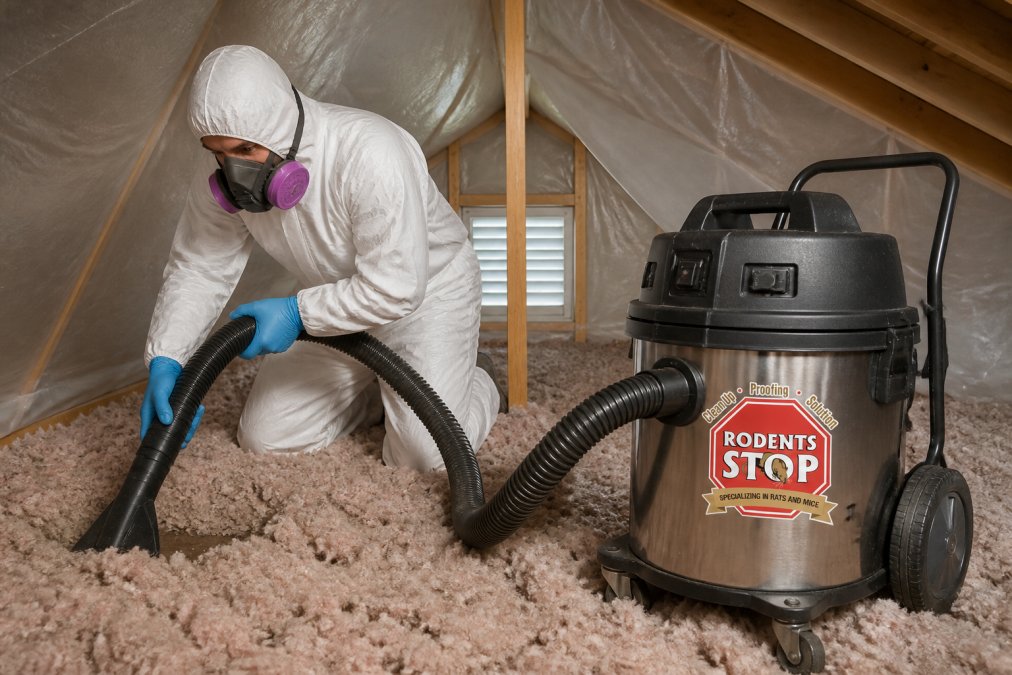
The actual removal uses industrial-grade equipment specifically designed for this work. HEPA-filtered vacuums with high suction power extract insulation efficiently while capturing contaminants. Technicians work systematically, removing insulation in sections and bagging contaminated material in sealed containers for proper disposal. The speed and efficiency of professional equipment means the job completes in hours rather than days, minimizing disruption to the home.
After insulation removal, the attic undergoes thorough cleaning. All surfaces, joists, beams, roof decking, and ductwork, are vacuumed and wiped down to remove residual contamination. Technicians inspect for structural damage, compromised wiring, or other issues that need attention before new insulation installation.
Decontamination treatments follow cleaning. Approved antimicrobial and odor-elimination products are applied to eliminate remaining pathogens and neutralize persistent smells. These treatments target bacteria, viruses, and fungi that standard cleaning alone cannot address.
Finally, new insulation is installed to specification. Technicians ensure proper depth, coverage, and air sealing to restore the attic’s thermal envelope. Vapor barriers are positioned correctly, and all penetrations are sealed to prevent air leakage. The completed installation restores the home’s energy efficiency and creates a clean, safe attic environment.
Attic Sanitation and Decontamination After Removal
Attic sanitation and decontamination represents the critical phase between removal and reinstallation. This step separates superficial cleanup from genuine remediation. After contaminated insulation is removed, microscopic pathogens, allergens, and odor-causing compounds remain on all exposed surfaces. Professional decontamination eliminates these hidden threats.
The process begins with thorough vacuuming using HEPA-filtered equipment. Every surface, framing lumber, roof decking, ductwork, electrical wiring, and attic flooring, receives systematic attention. HEPA filtration captures particles as small as 0.3 microns, removing the microscopic contaminants that standard vacuuming misses. This step alone eliminates the majority of viable pathogens and allergens.
Surface wiping follows vacuuming. Technicians use approved disinfectants to wipe down all exposed wood and metal surfaces. This removes residual contamination and kills remaining pathogens. Particular attention goes to areas where rodents nested or traveled, corners, along framing members, and near entry points.
Odor elimination requires specialized treatment beyond standard cleaning. Rodent urine creates persistent ammonia and musty smells that linger in wood fibers and insulation remnants. Professional-grade enzymatic treatments and antimicrobial applications break down odor-causing compounds at the molecular level rather than simply masking smells. Some remediation protocols include ozone treatment or activated charcoal filtration to further neutralize odors.
Ductwork decontamination is often overlooked but essential. Rodents may have entered ducts or left contamination near duct seams. Professional duct cleaning ensures that HVAC systems distribute clean air rather than spreading pathogens and odors throughout the home. This step prevents the problem from recurring through the ventilation system.
After decontamination is complete, the attic is inspected for any remaining issues. Technicians verify that all visible contamination has been removed, that odors have been neutralized, and that the space is ready for new insulation installation. Documentation of the decontamination process provides homeowners with verification that the work was completed to professional standards.
Cost of Professional Attic Cleanup and Replacement
Understanding the cost drivers for professional attic cleanup and replacement helps homeowners make informed decisions and avoid unexpected expenses. Several factors influence the total investment required. Square footage is the primary cost driver, larger attics require more time, labor, and materials. A 1,000-square-foot attic involves significantly different costs than a 2,500-square-foot space.
The severity of contamination affects pricing substantially. Light contamination limited to one area costs less than extensive damage spread throughout the attic. The type of insulation present also matters, removing blown-in cellulose differs from removing fiberglass batts or rigid foam, and each requires different equipment and disposal methods.
Accessibility impacts labor costs. Attics with adequate headroom and easy access move faster than cramped, difficult-to-navigate spaces. Homes with complex roof framing, multiple levels, or obstacles require more time and careful maneuvering.
Hazardous material identification and removal adds significant cost. If the attic contains asbestos-containing insulation or vermiculite, specialized abatement protocols must be followed. These materials require certified contractors and documented disposal, increasing expenses substantially.
The scope of replacement insulation influences the final cost. Installing blown-in cellulose costs differently than fiberglass batts or spray foam. The desired R-value and coverage area determine material quantity. Air sealing and vapor barrier installation add to the total but are essential for proper performance.
For a realistic cost estimate, Rodent cleanup experts recommends obtaining quotes from qualified contractors who can inspect your specific situation. Pricing varies based on local labor costs, material availability, and the unique conditions of your home. Request detailed breakdowns that separate removal, decontamination, and reinstallation costs so you understand where your investment goes.
The cheapest quote often reflects corner-cutting rather than genuine savings. Professional attic remediation is an investment in health, safety, and home performance. Comparing quotes requires evaluating the scope of work, not just the bottom-line price.
Safety Protocols and Why Professional Removal Matters
Safety protocols in professional insulation removal protect workers, occupants, and the integrity of the remediation process. These protocols exist because contaminated insulation poses genuine hazards that require specialized handling.
Personal protective equipment represents the foundation of worker safety. Technicians wear full-body protective suits, respirators with appropriate cartridges for particulate and chemical hazards, and gloves to prevent direct contact with contaminated material. This equipment prevents inhalation of pathogens and reduces skin contact with harmful substances. A trained professional knows which respiratory protection is required for specific hazards and how to fit and use equipment correctly.
Containment protocols prevent cross-contamination of clean areas. Negative pressure systems ensure that air flows from clean spaces into the work area rather than allowing contaminated air to escape. Plastic sheeting and sealed entry points create a controlled environment where contamination is contained and controlled. This protects other parts of the home and prevents spread of pathogens.
Proper disposal of contaminated material is legally required and environmentally responsible. Rodent-infested insulation cannot be thrown in regular trash. It must be bagged, sealed, and transported to facilities equipped to handle biohazardous waste. Professional contractors understand these requirements and ensure compliance.
Why professional removal matters goes beyond regulatory compliance. A trained remediation team brings expertise in identifying hazardous materials, understanding health risks, and executing proper protocols. They have invested in equipment and training specifically for this work. They carry liability insurance that protects homeowners if something goes wrong.
DIY attempts at insulation removal create multiple risks. Without proper containment, contaminated particles spread throughout the home’s air system and living spaces. Without appropriate respiratory protection, workers inhale pathogens and allergens. Without proper disposal procedures, contaminated material ends up in landfills or improper locations. Without expertise, structural damage or electrical hazards may be missed.
Professional removal ensures that the job is done safely, completely, and to standards that protect your home and health. The expertise and equipment justify the investment because the risks of improper removal are simply too significant.
Professional insulation removal and replacement restores your home’s health, safety, and energy efficiency after rodent contamination. The process requires expertise, specialized equipment, and rigorous protocols that DIY approaches cannot replicate. Rodent cleanup experts provides comprehensive remediation that removes contaminated insulation, decontaminates affected areas, and installs new insulation to restore your home’s performance. Our team inspects your specific situation, develops a customized cleanup plan, and executes the work using professional-grade HEPA filtration and proven decontamination methods. Contact Rodent cleanup experts to schedule an inspection and learn how professional remediation protects your family and restores your home’s integrity.
Frequently Asked Questions
Q: Is professional insulation removal safer than DIY cleanup?
A: Yes. Professional insulation removal uses HEPA filtration, industrial-grade equipment, and proper containment procedures to prevent airborne contamination. DIY removal with a regular vacuum can spread hazardous particles throughout your home. Professionals follow safety standards that protect your health and prevent cross-contamination. Additionally, they identify and address underlying issues like entry points and moisture damage that DIY cleanup misses.
Q: What is the typical timeline for professional insulation removal and replacement?
A: Timeline depends on attic size, contamination severity, and whether replacement insulation is included. Small attics may take one day; larger spaces or heavily contaminated areas may require two to three days. Your service provider will give a specific estimate after inspecting the affected area.
Q: How much does professional attic cleanup and insulation replacement cost?
A: Pricing depends on square footage, contamination level, insulation type, and whether replacement is included. Factors affecting cost include labor intensity, hazardous material disposal requirements, and post-removal sanitization depth. Request a detailed quote from a professional service in your area, they’ll inspect your attic and provide transparent pricing based on your specific situation.
Q: What happens during attic sanitation and decontamination after insulation removal?
A: Professional decontamination includes HEPA vacuuming to remove fine particles, chemical sanitization to eliminate bacteria and allergens, odor treatment to address pheromone residue, and moisture remediation if needed. Technicians may apply antimicrobial treatments and seal air leaks to prevent future pest entry. The goal is returning your attic to a clean, safe condition before new insulation is installed.
This article was written using GrandRanker