
Table of Contents
- Why Attic Contamination Affects Your Health
- Health Risks of Rodent Droppings in Attic Spaces
- The Best Way to Clean Rat Urine and Contaminated Surfaces
- Attic Insulation Decontamination Process Explained
- How Professional Cleaning Improves Indoor Air Quality
- Signs Your Attic Needs Professional Decontamination
- Long-Term Health Monitoring After Attic Cleanup
- Frequently Asked Questions
Last Updated: October 2, 2026
Why Attic Contamination Affects Your Health
Your attic seems far from where you live and breathe. But rodent infestations change that equation entirely.
Rodent cleanup experts understands how attic contamination spreads through homes. The problem isn’t just unpleasant, it’s a genuine health concern.
The question isn’t whether is professional attic cleaning good for health. The real question is: how much damage are you willing to tolerate while you decide?
Health Risks of Rodent Droppings in Attic Spaces
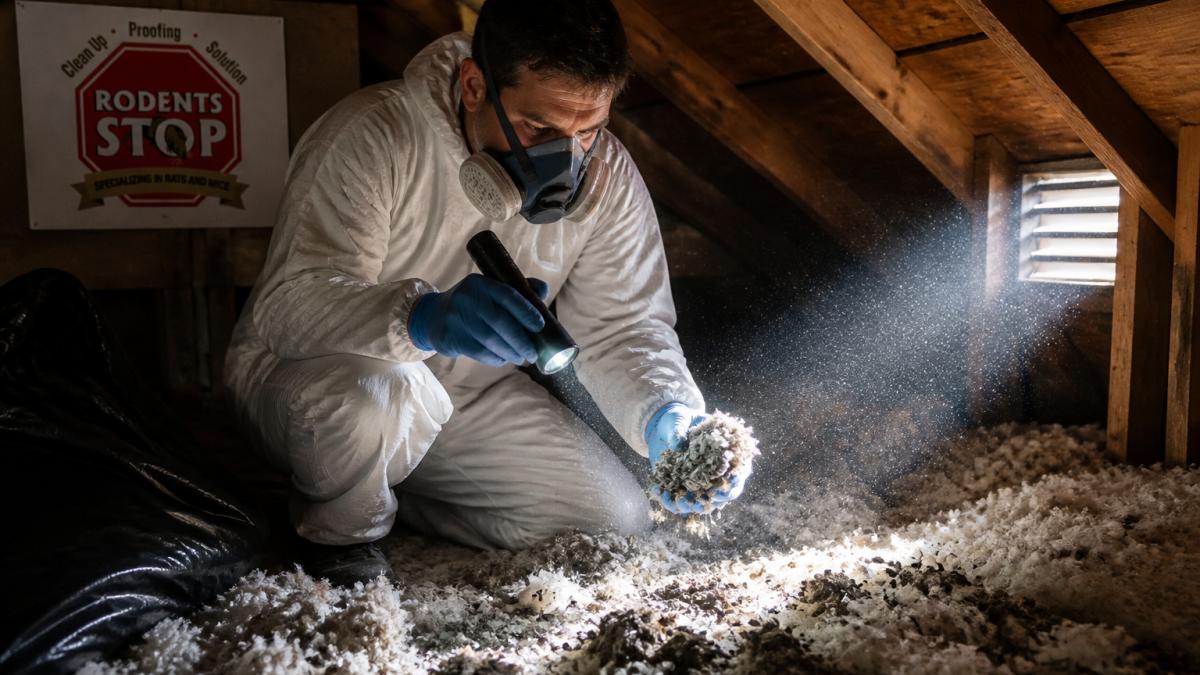
Rodent droppings carry serious health threats. They contain bacteria, viruses, and parasites that become airborne when disturbed. When you vacuum, move stored items, or simply have air moving through your attic, these particles enter your living spaces.
Pathogens and Disease Transmission
Hantavirus is the most dangerous threat. This virus lives in rodent droppings and can cause hantavirus pulmonary syndrome, a severe respiratory illness. Breathing in dust from infected droppings is how infection spreads, not through direct contact with rodents.
Histoplasmosis is a fungal infection caused by spores in rodent feces. It affects your lungs and can cause chronic respiratory problems. People with weakened immune systems face serious complications.
Leptospirosis spreads through rodent urine. It contaminates surfaces and water sources. Symptoms include fever, muscle aches, and kidney damage.
These aren’t theoretical risks. They’re documented health threats that public health agencies track and warn about. Professional decontamination eliminates the source of these pathogens.
Allergens and Respiratory Impact
Beyond infectious diseases, rodent waste triggers allergic reactions and asthma attacks. Rodent allergens bind to dust particles and circulate through your home’s air. People with asthma, allergies, or sensitive airways face constant symptoms: coughing, wheezing, congestion, and difficulty breathing.
Children and elderly household members are most vulnerable. Their immune systems struggle more with airborne contaminants. Pet owners notice their dogs and cats also suffer, increased scratching, respiratory sounds, and lethargy often follow rodent infestations.
The longer contamination sits in your attic, the more allergens accumulate and spread.
The Best Way to Clean Rat Urine and Contaminated Surfaces
Cleaning rodent contamination isn’t like cleaning a kitchen spill. The best way to clean rat urine requires specific protocols and protective equipment because rodent waste poses airborne and contact hazards that standard household cleaning cannot address.
Why DIY Cleaning Falls Short
Many homeowners attempt DIY cleanup after discovering rodent damage. They grab a vacuum and some bleach. This approach creates serious problems.
Standard household vacuums don’t filter airborne particles effectively. When you vacuum rodent droppings, you aerosolize them, sending contaminated dust into the air you breathe.
Bleach kills some bacteria but doesn’t address all pathogens. It’s effective against some surface bacteria but does not reliably inactivate hantavirus, histoplasmosis spores, or leptospirosis organisms embedded in insulation fibers.
The real danger: you expose yourself to hantavirus, histoplasmosis spores, and other pathogens without proper respiratory protection. One breath of contaminated air during cleanup can cause infection.
Professional Decontamination Standards
Professional decontamination follows strict protocols designed to eliminate both the pathogen source and airborne transmission. Rodent infestation cleanup services employ these industry standards:
HEPA Filtration Systems capture 99.97% of airborne particles as small as 0.3 microns, small enough to trap virus-carrying droplets, fungal spores, and allergen particles. Air scrubbers with HEPA filters run continuously during and after cleanup, cycling room air multiple times per hour. This removes contaminants that standard vacuuming stirs up.
Negative Air Pressure is maintained in the work zone using portable air handling units.
Protective Gear includes respirators (typically P100 or powered air-purifying respirators), full-body Tyvek suits, and nitrile gloves.
Proper Disposal follows biohazard guidelines. Contaminated materials are sealed in heavy-duty bags labeled as biohazard waste and transported to licensed medical waste facilities, not your curbside trash.
Professional teams also identify and seal rodent entry points, gaps in soffits, foundation cracks, vent openings, before cleanup concludes.
Attic Insulation Decontamination Process Explained
Contaminated insulation cannot be salvaged. It must be removed and replaced. Here’s how the process works.
Assessment and Containment
First, professionals inspect the attic to measure contamination extent. They identify which insulation is salvageable and which must be removed. They also locate entry points and nesting areas.
Before removal begins, the work area is sealed. Plastic barriers isolate the attic from living spaces. HEPA-filtered air scrubbers run continuously, maintaining negative pressure so contaminated air doesn’t escape the work zone.
Workers don appropriate protective equipment: respirators, full-body suits, and gloves. This step is non-negotiable for health and safety.
Removal and Replacement
Contaminated insulation is carefully removed using HEPA-equipped vacuums. The material is sealed in biohazard bags and transported to licensed disposal facilities. This isn’t regular trash, it’s treated as hazardous waste.
After removal, the attic space is cleaned and sanitized. Surfaces are treated with hospital-grade disinfectants that kill remaining pathogens. Odor-causing compounds are neutralized.
New insulation is installed to restore thermal efficiency.
The entire process typically takes one to three days, depending on attic size and contamination severity.
How Professional Cleaning Improves Indoor Air Quality
Your home’s indoor air quality directly depends on what’s in your attic. Contaminated insulation acts as a filter that traps pathogens and allergens, then releases them into your living spaces through air ducts and natural air movement.
Whether is professional attic cleaning good for health depends on your contamination level, but professional attic cleaning removes this contamination source. Within days, most households notice improvements:
- Reduced coughing and respiratory symptoms
- Less frequent asthma attacks
- Fewer allergy flare-ups
- Better sleep quality (no nighttime congestion)
- Improved pet health (less scratching, better breathing)
Air quality testing before and after cleaning shows measurable differences. Particulate counts drop significantly. Allergen levels decline. The air you breathe becomes genuinely cleaner.
This improvement compounds over time. As your lungs process cleaner air, inflammation decreases. People with chronic respiratory issues often report feeling better within weeks.
Signs Your Attic Needs Professional Decontamination
Not all attic problems are obvious. Watch for these warning signs:
- Visible droppings or nesting material in your attic or crawl space
- Musty or ammonia-like odors that persist despite cleaning
- Increased allergy or asthma symptoms without clear cause
- Dark stains or discoloration on insulation or wooden beams
- Dead rodents or carcasses in the attic or walls
- Scratching or squeaking sounds in walls or above ceilings
- Pest control visits that eliminated rodents but didn’t address cleanup
- Visible mold growth on insulation or wood (often follows rodent urine)
Even one of these signs warrants professional inspection. Rodent cleanup experts inspects affected areas and develops a cleanup plan based on what we find. Every infestation is different, and every home needs a customized approach.
Long-Term Health Monitoring After Attic Cleanup
Professional cleanup removes the contamination source, but your body may need time to recover from exposure. Long-term health monitoring helps ensure the cleanup was effective, your home remains safe, and any lingering symptoms are addressed.
Tracking Health Improvements in the First 4-12 Weeks
Most people notice measurable health improvements within 2-4 weeks of professional attic decontamination. Track these markers:
Respiratory Symptoms: Do coughing, wheezing, or shortness of breath improve? Keep a simple log: note the frequency and severity of coughing episodes or asthma attacks before cleanup, then weekly after. Improvement should be noticeable by week 3-4 as airborne allergen levels drop and your airways reduce inflammation. If symptoms persist unchanged after 4 weeks, it may indicate other sources (mold in walls, HVAC contamination, or unrelated respiratory illness).
Allergy Severity: Are allergy symptoms less frequent or intense? Rodent allergens are potent triggers for seasonal and year-round allergies.
Sleep Quality: Better air quality usually means better sleep. Congestion decreases, nighttime coughing stops, and you wake less frequently.
Energy Levels: Cleaner air means better oxygen intake. Many people report feeling more energetic and less fatigued within 2-3 weeks. Fatigue from poor sleep and chronic low-grade inflammation often resolves as air quality improves.
Pet Health: Animals are sensitive to air quality changes. Improved pet behavior, less scratching, reduced respiratory sounds, increased activity, indicates the cleanup was successful.
When to Seek Medical Evaluation
If any of these apply, consult a healthcare provider:
- Respiratory symptoms (cough, wheezing, shortness of breath) persist or worsen 4 weeks after cleanup
- You develop new symptoms such as fever, chest pain, or persistent fatigue
- Asthma attacks increase in frequency or severity despite cleanup
- You suspect you were exposed to hantavirus (symptoms include fever, muscle aches, and difficulty breathing 1-5 weeks after exposure)
- A household member has a weakened immune system and shows any respiratory symptoms post-cleanup
Professional Air Quality Testing and Follow-Up Inspection
Schedule a follow-up inspection 6-12 months after cleanup. Professional teams verify that entry points remain sealed, no new droppings or nesting material is present, and the attic remains dry. This preventive step protects your long-term health investment and catches early signs of reinfestation before contamination accumulates again.
Frequently Asked Questions
Can rodent droppings in the attic cause respiratory problems?
Yes. Rodent droppings contain pathogens and allergens that become airborne when disturbed. Inhaling contaminated dust can trigger asthma, bronchitis, and other respiratory infections. Professional attic cleaning uses HEPA filtration and proper containment to safely remove these hazards and prevent cross-contamination throughout your home.
What is the best way to clean rat urine from attic surfaces?
Professional decontamination involves treating affected areas with hospital-grade sanitizers after proper containment and protective gear are in place. DIY cleaning with standard bleach or household cleaners is ineffective because urine soaks into insulation, wood, and drywall. Professional crews remove contaminated insulation entirely and sanitize structural surfaces to eliminate odors and pathogens that regular cleaning cannot reach.
How long does professional attic decontamination take?
Most projects take 1-3 days depending on infestation severity and attic size. Initial assessment and containment setup may require several hours. Insulation removal, sanitization, and replacement occur over the following days. Your professional team will provide a timeline during the inspection so you can plan accordingly.
Are professional attic cleaning chemicals safe for pets and children?
Professional decontamination uses EPA-approved sanitizers and treatments. Most work is contained in the attic with proper ventilation during application. Your service team will advise whether temporary relocation is needed based on your specific situation and the scope of work. Always discuss pet and family safety concerns during your initial consultation.