Last Updated: October 29, 2026
Quick Summary
Signs of a rat infestation in a Southern California home include droppings, gnaw marks, rub marks, grease trails, scratching or scurrying at night, and musty or ammonia-like odors. Rat droppings are typically about three-quarters of an inch long, while mouse droppings are about a quarter inch. Check the attic, walls, garage, and kitchen first, since rats commonly nest in hidden, warm, dark spaces.
- Rat droppings are about three-quarters of an inch long, with blunt ends.
- Mouse droppings are about a quarter inch and more pointed at the ends.
- Fresh droppings look moist, glossy, and soft; older ones look dry and crumbly.
- Gaps larger than a quarter inch can let rats into the home.
- Never dry-sweep or vacuum droppings with a standard household vacuum.
Table of Contents
- Rat Droppings Identification: What Fresh and Old Signs Look Like
- Signs of Rats in Attic Spaces, Walls and Ceilings
- Gnaw Marks, Rub Marks and Grease Trails to Check
- Scratching, Scurrying and Nighttime Noises
- Odors, Nests and Nesting Materials Inside the Home
- How to Clean Rat Droppings Safely Without Spreading Contamination
- When to Schedule Professional Rodent Cleanup and Sealing Your Home
- Frequently Asked Questions
Rats do more damage than most homeowners expect, and a rat infestation in Southern California often starts quietly. The most useful thing a homeowner can do is learn the early signs before the problem spreads into insulation, walls, and the air you breathe. This guide walks through what to look for, how to read the evidence, and when it’s time to bring in professionals.
Rat Droppings Identification: What Fresh and Old Signs Look Like
Droppings are often the first clue of a rat infestation, but the useful question is not just “are these rat droppings?”, it’s “which rodent, and is the activity current?” Getting both answers changes what you do next.
Size and shape. Rat droppings are typically dark, spindle-shaped pellets roughly three-quarters of an inch long with blunt, rounded ends. Mouse droppings are much smaller, about a quarter inch, and more pointed at the ends. If you’re unsure, measure a few with a ruler rather than eyeballing them; the size difference is usually obvious once measured.
Fresh versus old. Fresh droppings tend to look moist, glossy, and soft. Older ones look dry, crumbly, gray or faded, and may lose their shape when disturbed. A common pattern is a mix of both in the same area, which usually means activity has been ongoing rather than a single visit.
- Fresh droppings: dark, moist, soft, and glossy
- Older droppings: dry, gray or faded, and crumbling
- Mixed piles: suggests repeat activity over time
- Common locations: kitchens, pantries, garages, under sinks, along walls, and inside stored boxes
Reading the evidence to identify the rodent
Location is a strong clue. Roof rats are climbers, so their droppings often show up in attics, on top of ceiling joists, along roof lines, and on raised surfaces like garage shelving or the tops of stored boxes. Norway rats are more ground-oriented and are more often found in garages, crawl spaces, and along foundation walls. Mouse droppings tend to cluster in drawers, cabinets, and small gaps.
Droppings alone rarely confirm a species with certainty. Pair them with other evidence, gnaw marks, rub marks, sounds, and where activity is concentrated, before drawing conclusions.
Is the infestation active or old?
Freshness is the best available signal. Look for soft, glossy pellets, new rub marks, and fresh gnaw marks (pale and clean rather than darkened). Then clean a small area carefully using the precautions below and check it again in a few days. New droppings in a cleaned area are strong evidence of current activity; an area that stays clean points to older, inactive evidence.
Photograph what you find before cleaning, with something for scale. It helps you compare later and gives a professional a clearer picture if you call for an inspection.
If you’re trying to date the evidence, our guide on how to tell if rat droppings are old walks through the freshness signals in more detail.
Use this quick reference to compare the key differences between rat and mouse droppings and fresh versus old signs.
| Sign | Fresh | Old |
|---|---|---|
| Texture | Moist, glossy, soft | Dry, crumbly |
| Color | Dark | Gray or faded |
| Rat droppings size | About three-quarters of an inch | About a quarter inch for mice |
| Shape | Spindle-shaped, blunt ends (rat) | Pointed ends (mouse) |
Signs of Rats in Attic Spaces, Walls and Ceilings
Attics, wall voids, and ceilings are where rats most often nest because they’re warm, dark, and hard to see. Rather than a vague look-around, work through a short inspection checklist by area.
Attic and roofline checklist
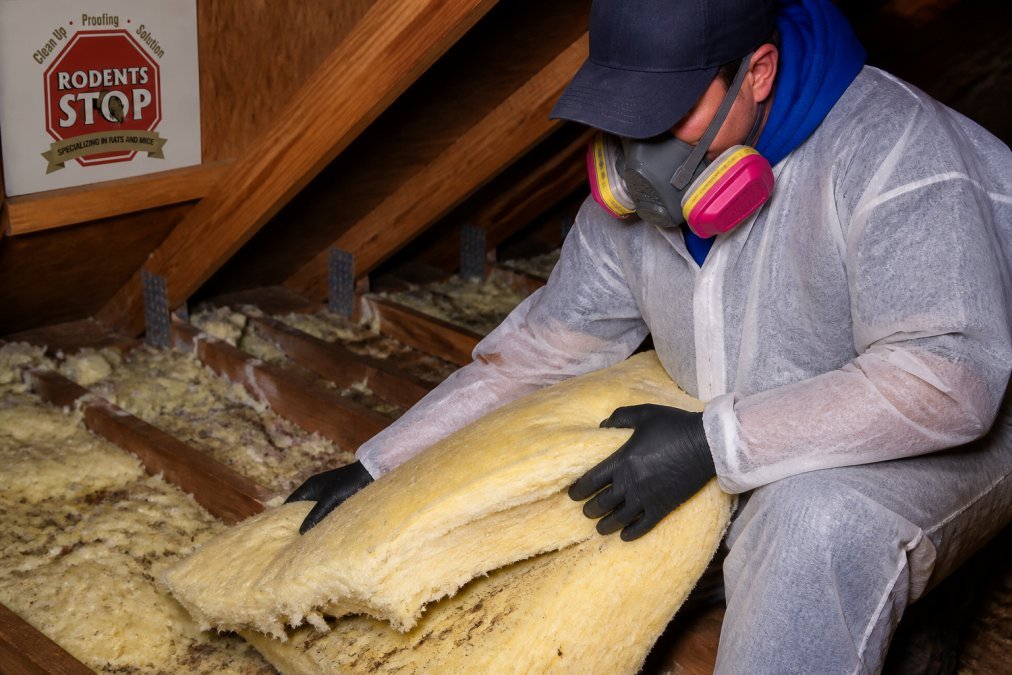
- Insulation: look for flattened, matted, or torn sections and trails pressed into the material
- Nesting material: shredded paper, fabric, or insulation pulled into piles
- Droppings and urine stains: along joists, on top of stored boxes, and near vents
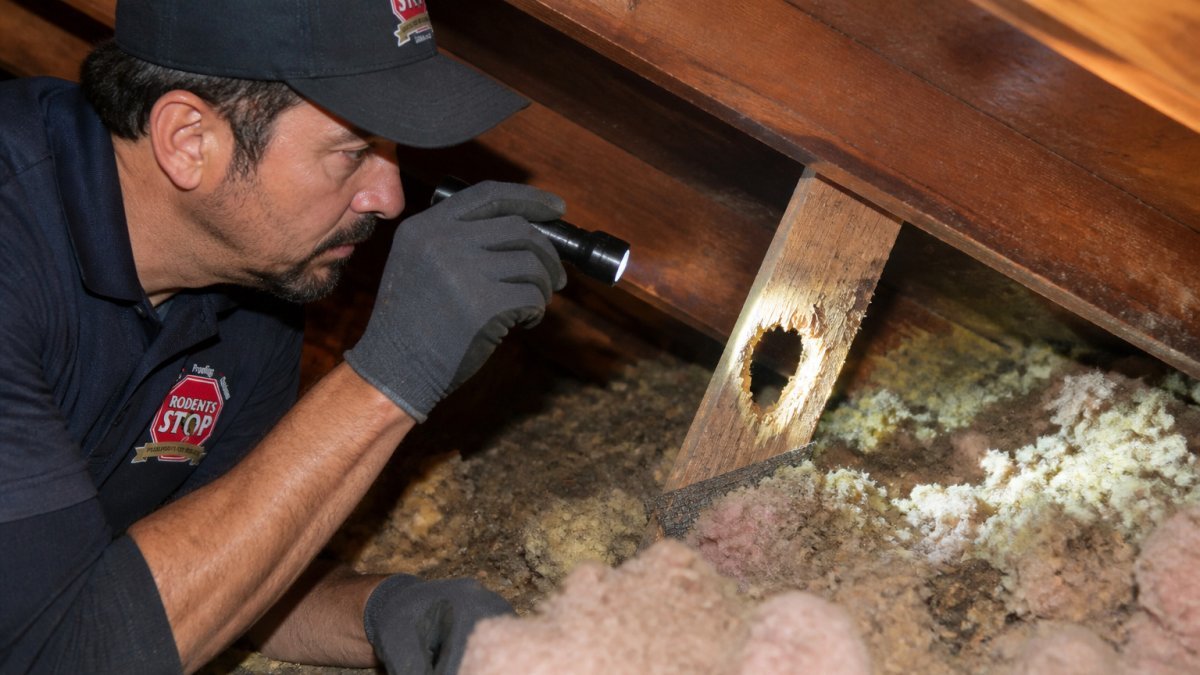
- Gnaw marks: on wood framing, wire coverings, and plastic sheathing
- Entry points: gaps where pipes, vents, or wires pass through the roof or exterior walls
- Roofline: check for gaps at the eaves, soffits, and where the roof meets the wall
Roof rats are climbers, so evidence high up, on rafters, along the roofline, and on raised surfaces, is a strong local signal. Norway rats are more ground-oriented and are more often found in garages and crawl spaces.
For more on what to look for in an attic and when to call for cleanup, read our guide to roof rat signs and cleanup in LA County.
Walls and ceilings
Listen after dark for scratching, scurrying, and faint gnawing. Scratching tends to come from within walls, while scurrying is more likely overhead in attics or ceilings. Run your hand along baseboards and check corners for rub marks and grease trails that lead toward a void or entry point.
Garage, kitchen, and exterior checklist
- Garage: droppings along walls and on shelving, gnawed stored goods, and gaps at the garage door and foundation
- Kitchen and pantry: droppings under sinks, behind appliances, and in stored boxes; chewed packaging
- Exterior: gaps larger than a quarter inch around pipes, vents, and the foundation; fruit trees and birdseed close to the house
A practical pattern: inspect the attic and roofline first, then walls and ceilings, then garage, kitchen, and exterior. Note where evidence clusters, that tells you where to focus sealing and cleanup.
Wondering whether what you found is current? Our guide on how to tell if rat droppings are old explains the freshness signals. For a checklist of attic warning signs, see identify rodent damage in your attic. You can also review signs of rodent activity in attics and walls.
Gnaw Marks, Rub Marks and Grease Trails to Check
Rats gnaw constantly to keep their teeth from growing too long. Check wood, wire coverings, plastic, and cardboard for chew marks, especially near corners and openings. Fresh gnaw marks look pale and clean, while older ones may be darker.
Rub marks are another sign. Rats follow the same paths repeatedly, and oils and dirt from their fur leave dark smudges along baseboards, pipes, and beams. These grease trails often lead straight to a nest or entry point.
Scratching, Scurrying and Nighttime Noises
Rats are most active at night, so the sounds usually start after the house goes quiet. Scratching in walls, light scurrying overhead, and faint gnawing are common. Scratching sounds tend to come from within walls, while scurrying is more likely in attics or ceilings.
If you hear noises for more than a few nights in a row, treat it as an active problem and not a one-time event.
Odors, Nests and Nesting Materials Inside the Home
A musty or ammonia-like smell often points to rodent urine. The odor can build up in attics, crawl spaces, and closets, and it can get stronger over time. Nests usually sit in hidden spots like wall voids, behind appliances, or in stored boxes. Look for piles of shredded material, insulation, paper, or fabric.
If you notice a persistent smell that won’t go away after cleaning, that’s a signal to look harder for a nest or contaminated area.
How to Clean Rat Droppings Safely Without Spreading Contamination
Rodent droppings and urine can carry bacteria and allergens, so cleanup needs care. Avoid sweeping or using a regular vacuum on dry droppings, since that can stir particles into the air. Instead:
- Wear gloves, and use a mask or respirator if you’re cleaning a large area
- Spray droppings with a disinfectant or a bleach solution, then let it soak before wiping
- Pick up debris with paper towels and seal it in a bag for disposal
- Ventilate the space and wash your hands thoroughly afterward
Watch out: Never dry-sweep or vacuum droppings with a standard household vacuum. It can release contamination into the air and spread it to other rooms.
For step-by-step guidance on cleaning rat urine and droppings, see the best way to clean rat urine. You can also read the safe way to remove droppings.
When to Schedule Professional Rodent Cleanup and Sealing Your Home
Some situations call for professional help rather than a DIY cleanup. Consider calling a professional if you find large amounts of droppings, contaminated insulation, persistent odors, or signs of activity in multiple areas. Professional rodent infestation cleanup can include removing contaminated materials, sanitizing spaces, and addressing entry points.
Sealing gaps around pipes, vents, and the roofline can help reduce the risk of a repeat problem. Check for openings larger than a quarter inch, since rats can squeeze through surprisingly small gaps.
Rodent Cleanup Experts provides professional rodent damage cleanup, sanitation, odor removal, and restoration for homes and businesses in Southern California. Our team inspects the affected areas and builds a cleanup plan around the condition of your property, and we look at how rodents are getting in so you can reduce the risk of them returning. If you’ve found signs of rats in your home, reach out for an inspection so you can get a clear picture of what’s happening and what to do next.
Frequently Asked Questions
What are the signs that rats are in my house?
The most common signs are droppings, gnaw marks on wood, wires or food packaging, grease or rub marks along walls and baseboards, scratching or scurrying noises at night, and musty or urine-like odors. Rats in Southern California homes often leave evidence in attics, garages, kitchens and crawl spaces first. Finding several of these signs together is a stronger indicator of an active infestation than any single sign alone. If you see more than one, inspect the affected area carefully and consider a professional assessment.
How can I tell if droppings are from rats?
Rat droppings are typically spindle-shaped, about half an inch to three quarters of an inch long, and blunt at the ends, while mouse droppings are smaller and pointed. Fresh droppings are dark and moist, while older droppings are dry, grayish and crumble easily. Because droppings can carry pathogens, avoid handling them with bare hands and do not sweep or vacuum them dry. Freshness and location help determine whether activity is current or past.
What should I do if I find rat droppings in my home?
Stop disturbing the area, ventilate it by opening windows if safe, and wear disposable gloves. Spray droppings with a disinfectant or a bleach solution, let it soak for several minutes, then wipe them up with paper towels and seal them in a bag. Clean surfaces afterward and inspect for entry points. For large or hard-to-reach contamination in attics or crawl spaces, consider a professional rodent cleanup service.
When should I call a professional for rat cleanup?
Call a professional if you find droppings in insulation, notice persistent odors after cleaning, or see signs of nesting in several areas. Professionals can remove contaminated insulation and sanitize spaces.
