A rodent smell is rarely just a smell. In attics, crawlspaces, wall voids, and storage areas, rodent odor removal means locating and removing the urine, droppings, nesting debris, and contaminated materials that continue releasing odor long after rodents are gone.
Homeowners and property managers often call after traps have been set or a pest control visit has been completed, yet the building still smells stale, musky, or sharply like urine. That is because rodent control and contamination cleanup are separate jobs. Removing the animal does not remove what it left behind.
For properties across Los Angeles, Ventura, Orange, Riverside, and San Bernardino counties, effective cleanup begins with the source, not a cover-up fragrance.
There’s a smell coming from my attic. What should I tell the assessor?
Describe the smell in your own words: urine-like, musty, or strongest in one room. Note whether it appears at the hatch or when air first comes from a vent. If you’ve also heard movement, point out that part of the ceiling from downstairs. During the rodent cleanup assessment, ask to see which findings support a rodent source and whether moisture needs a separate repair.
Why Rodent Odors Keep Coming Back
Rat and mouse urine can soak into insulation, wood framing, paper-backed ducts, stored belongings, and porous concrete. Droppings and nesting material hold odor as well, especially where moisture, heat, or poor ventilation are present. An attic can look quiet from the access opening while insulation below is heavily contaminated.
Warm Southern California attics often make the problem more noticeable. Heat can intensify trapped odors, while air movement from HVAC equipment or gaps around ceiling fixtures can carry the smell into living or working spaces. In crawlspaces, damp soil, insulation, and vapor barriers can hold contamination close to the structure for a long time.
A surface cleaner may improve a small, accessible spot. It will not solve odor that is embedded in insulation, behind stored materials, under floor systems, or inside an active nesting area. Sprays, candles, and air fresheners simply compete with the odor for a short period. They do not remove the contamination.
Rodent Odor Removal Starts With a Real Inspection
The right cleanup plan depends on where rodents traveled, nested, and urinated. A detailed inspection identifies the affected areas and separates minor localized contamination from a widespread attic or crawlspace condition.
During an inspection, a trained cleanup specialist looks for fresh and old droppings, urine staining, nesting material, damaged insulation, chew marks, entry openings, and odor pathways. The goal is not to make assumptions from one visible pile of droppings. The goal is to identify the full extent of the contamination and determine whether rodents still have access to the property.
This matters for single-family homes, but it matters just as much for apartment buildings, warehouses, schools, and commercial facilities. A smell reported in one office or unit may originate above a ceiling, beneath a floor, or in a shared service area. Treating only the reported room can leave the actual source untouched.
Signs the Odor May Be Hidden
Persistent odor without visible droppings is common. The contamination may be concealed in an attic, crawlspace, wall void, or an area blocked by stored items. A stronger odor after hot weather, after rain, or when the HVAC system is running can point to hidden contamination or airflow carrying odor through the building.
Other signs include scratching sounds overhead, insulation that has been disturbed or flattened, dark staining around access points, and recurring rodent activity after previous trapping. These signs do not always mean the damage is extensive, but they are good reasons to schedule a professional inspection rather than continue masking the smell.
The Professional Cleanup Process
Effective rodent odor removal is a sequence of removal, sanitation, deodorization, and prevention. Skipping any one of those steps can leave the property vulnerable to lingering odor or a repeat infestation.
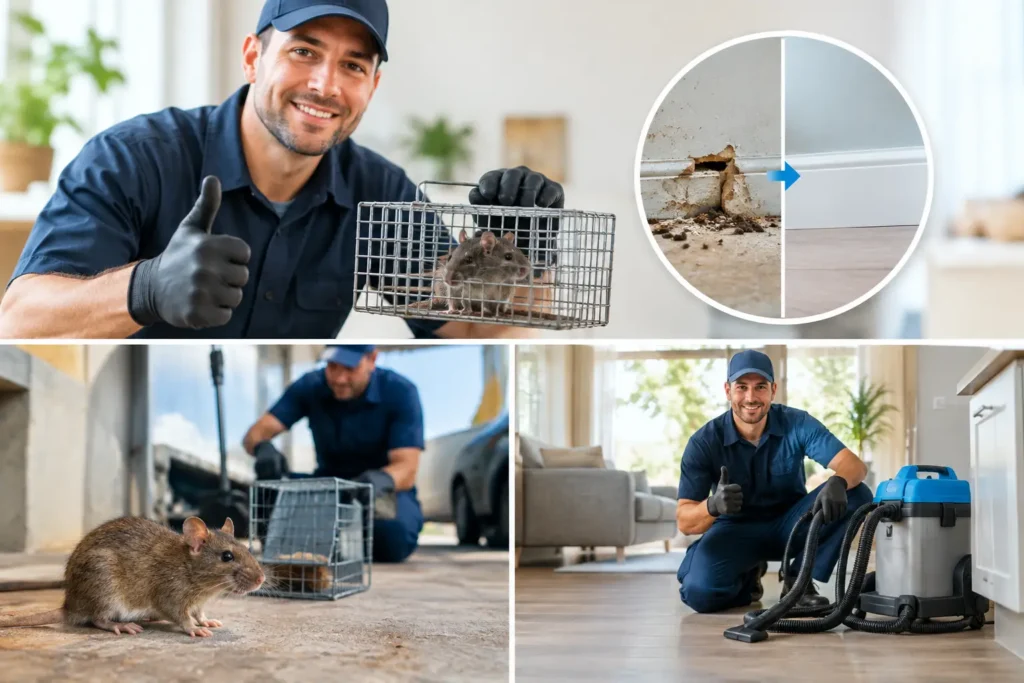
First, contaminated droppings, nesting material, and other rodent debris are removed using proper containment and cleanup practices. This is particularly important in attics and crawlspaces, where contamination can be spread across insulation and difficult-to-reach framing. Dry sweeping or vacuuming unknown debris without the appropriate process can disturb contaminated material and spread it farther.
Next, affected surfaces are professionally sanitized. The treatment must reach the actual contaminated surfaces, not simply the open area around them. If urine has penetrated insulation, the insulation may need to be removed rather than treated in place. That decision depends on the amount of contamination, the material involved, and whether odor remains after accessible debris is removed.
After cleanup and sanitation, targeted deodorization addresses remaining odor molecules in the treated area. Rodent Cleanup Experts uses a proprietary rodent scent neutralization treatment as part of a source-focused cleanup process. Deodorization is valuable, but it works best after contaminated material has been removed. Using odor treatment as a substitute for removal is where many cleanup attempts fall short.
Finally, rodent entry points should be identified and sealed to help prevent another cycle of contamination. A clean attic will not stay clean if rodents can continue entering through gaps at rooflines, utility penetrations, vents, or structural openings. Long-term results require both cleanup and exclusion.
When Insulation Needs to Be Removed
Insulation is one of the most common reasons a rodent odor remains after basic cleaning. Rodents frequently tunnel through attic insulation, build nests within it, and leave urine and droppings below the surface. A small visible area may represent a much larger affected section.
Not every attic requires complete insulation removal. If contamination is limited and clearly accessible, a focused cleanup may be appropriate. However, widespread droppings, strong urine odor, nesting throughout the attic, or insulation compressed by rodent travel often calls for removal of affected materials.
Crawlspace insulation can present a similar problem. Rodents may contaminate insulation between floor joists, along perimeter walls, or around plumbing and ductwork. A proper inspection helps determine whether targeted removal is sufficient or whether broader restoration is needed.
For landlords and property managers, this distinction helps with planning. A professional assessment provides a clear scope of work based on the condition of the property, rather than recommending the same service for every building.
Do Not Treat Odor as Only a Pest Control Problem
Traditional pest control focuses on stopping rodent activity. That is necessary, but it does not automatically include removal of waste, urine contamination, nests, or damaged insulation. A property may be rodent-free and still have a serious odor issue.
The opposite can also happen. A property can receive extensive cleaning, but odor and contamination return because entry points were never addressed. The most reliable approach connects humane, poison-free rodent control with professional cleanup and structural exclusion.
This is especially important around families, tenants, employees, children, and pets. Property owners need a plan that addresses the contaminated environment without relying on unsafe cleanup shortcuts or leaving hidden debris in place.
What to Do Before Your Inspection
If you notice an odor, avoid disturbing droppings, nests, or insulation. Do not move contaminated attic materials through the living area, and do not assume an odor spray means the area is clean. If possible, make note of when the smell is strongest and whether it appears near an attic access, a ceiling vent, a crawlspace entrance, or a specific room.
For commercial and multifamily properties, document which units or work areas are affected and whether odor reports coincide with HVAC operation, weather changes, or recent rodent activity. That information can help focus the inspection, especially in larger buildings with multiple access points.
A professional inspection gives you a practical answer: what is contaminated, what needs to be removed, how the odor will be treated, and what should be sealed to reduce future rodent access.
Persistent rodent odor does not improve by waiting for it to fade. If your attic, crawlspace, home, or facility has rat droppings, urine odor, nesting debris, or contaminated insulation, contact Rodent Cleanup Experts at 833-END-RATS (833-363-7287) to schedule an inspection. The right cleanup restores more than the smell of the property – it restores confidence in the space.