
Table of Contents
- Why Rodents Return After Cleanup
- Rodent Entry Point Sealing Techniques
- Best Way to Clean Rat Urine and Contamination
- Eliminate Food and Water Sources
- Signs of Rodent Re-entry to Monitor
- Protecting Pets and Family During Prevention Work
- When to Call a Professional
- Frequently Asked Questions
Last Updated: September 24, 2026
Why Rodents Return After Cleanup
Even after professional pest control removes rodents, the conditions that attracted them remain unchanged. This is why you must prevent rodents returning with more than a one-time cleanup.
The real problem is the entry points they used and the resources that drew them in. Rats and mice squeeze through gaps as small as a dime. Food sources, water leaks, and nesting materials signal “welcome here” to passing rodents.
A structured prevention plan stops the cleanup cycle from repeating.
Rodent Entry Point Sealing Techniques
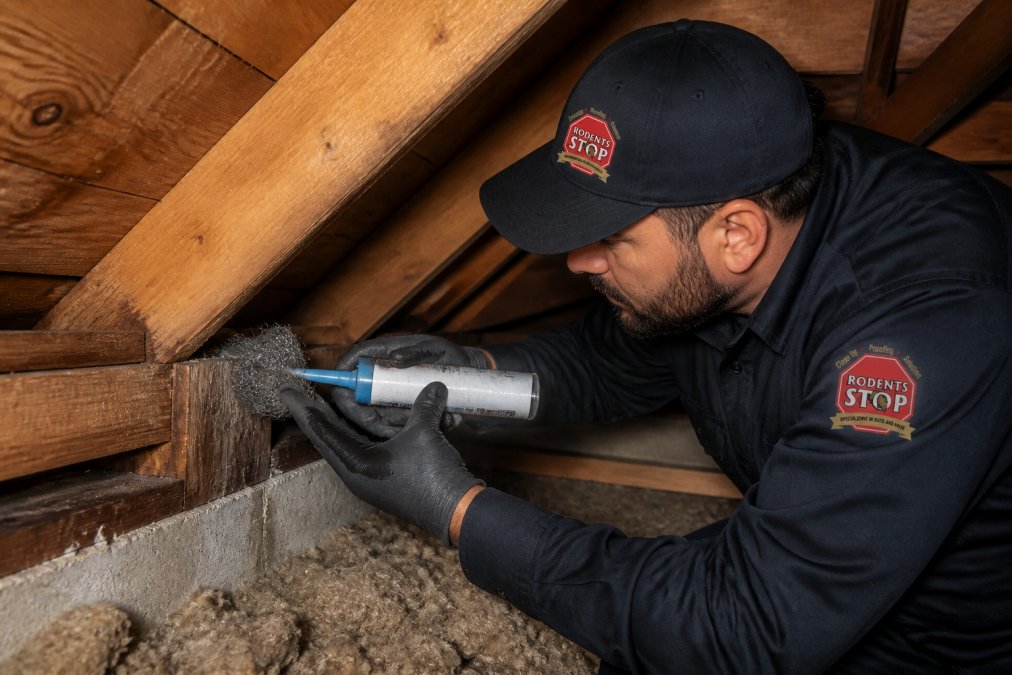
Sealing entry points is the foundation of rodent entry point sealing techniques. A small gap in your foundation, crack in siding, or loose vent cover becomes a highway for rodents.
Identifying gaps and vulnerable areas
Start with a thorough inspection. Look for these common entry points:
- Gaps around pipes and utility lines entering the home
- Cracks in the foundation or concrete
- Loose or missing vent covers
- Gaps where siding meets the foundation
- Openings around air conditioning units
- Damaged weatherstripping on doors and windows
- Holes in walls or crawl spaces
Focus on the foundation perimeter, roof line, and utility entry points. Check both exterior and interior, gaps invisible from outside may be visible from the attic or crawl space.
Materials that work: steel wool, hardware cloth, and sealants
Not all sealing materials perform equally. Rodents can chew through some materials within weeks. The best approach combines multiple materials for durability and effectiveness.
Installation best practices for durability
Installation determines how long the seal lasts. Attention to detail matters:
- Prep the surface: Clean debris and old material before sealing.
- Pack steel wool firmly: Use a caulking gun to compress it; loose packing allows rodents to pull it out.
- Overlap hardware cloth: Overlap mesh by at least 2 inches and secure both layers.
- Seal all edges: Caulk where hardware cloth meets the frame.
- Check for secondary gaps: Inspect surrounding areas for alternative routes.
- Allow full cure time: Silicone caulk and foam require 24-48 hours to cure.
Seasonal inspection and re-sealing
Inspect sealed areas annually, particularly in fall. Replace cracked caulk and re-pack compressed steel wool to prevent re-entry during peak rodent months.
Best Way to Clean Rat Urine and Contamination
Rodent urine and droppings carry pathogens that pose health risks. The best way to clean rat urine requires specific protocols to eliminate contamination safely.
Safe removal of contaminated insulation
Contaminated insulation must be removed carefully. Never use a standard vacuum, it spreads pathogens. Wear N95 mask, gloves, and eye protection. Spray lightly with disinfectant, remove into heavy-duty bags, and dispose per local guidelines. The spray-and-remove method prevents airborne particles. If unsure about contamination extent, professional rodent infestation cleanup services can assess the full scope of contamination and handle removal safely.
Disinfecting affected areas properly
Disinfect all surfaces with hospital-grade disinfectant or bleach solution (1:10). Let sit 10-15 minutes, then wipe thoroughly. Pay special attention to rafters, ductwork, electrical components, and crawl spaces. Enzymatic cleaners break down urine odors; professional treatment reaches areas standard cleaning misses.
Eliminate Food and Water Sources
Remove food and water sources to make your home less attractive. Store food in airtight containers, keep garbage sealed, remove pet food after feeding, and fix water leaks. Eliminate standing water in gutters and pet bowls left overnight.
Signs of Rodent Re-entry to Monitor
After cleanup and sealing, early detection helps prevent rodents returning before re-infestation becomes serious.
What to look for during regular inspections
Check monthly for fresh droppings (soft, dark), new gnaw marks, ammonia odor, scratching sounds, grease marks, and nesting materials. Fresh droppings indicate re-entry.
Building a tiered monitoring system
A structured monitoring approach helps you distinguish between isolated entry and early re-infestation.
Creating a monitoring log
Keep a simple inspection log noting date, areas checked, signs found, and actions taken. Review monthly to identify weak sealing points or missed entry points.
Establishing a seasonal maintenance checklist
Rodents are most active in fall and winter when outdoor food becomes scarce. Create a seasonal inspection routine tied to their behavior patterns:
Fall (August-October): Pre-Invasion Prep
- Inspect all entry points for new gaps or deterioration
- Clear gutters and downspouts of debris (rodents nest in clogged gutters)
- Trim tree branches 6+ feet away from the roof to eliminate bridge routes
- Check weatherstripping on doors and windows; replace if cracked or missing
- Seal any new gaps found
- Remove outdoor food sources (fallen fruit, pet food, bird seed)
- This is the critical window, rodents are seeking shelter before cold weather arrives
Winter (November-February): Active Monitoring
- Monitor for signs of activity weekly, not monthly
- Check attic and crawl spaces for fresh droppings after 1-2 weeks of cold weather
- Inspect HVAC vents and returns for blockages or gnaw marks
- Ensure heating system isn’t creating moisture problems (condensation attracts rodents)
- Listen for scratching or scurrying sounds, especially at night
- If you find signs, act immediately, winter is when infestations escalate fastest
Spring (March-May): Damage Assessment
- Inspect exterior for winter damage that created new entry points
- Check for gaps created by freeze-thaw cycles in caulk or sealant
- Remove winter debris from around the foundation
- Verify that seals applied in fall remain intact
- Look for evidence of nesting (shredded insulation, nesting materials in corners)
- Repair or re-seal any compromised areas before rodents move back outdoors
Summer (June-July): Maintenance and Preparation
- Remove food sources (pet food left outside, garden debris, compost piles)
- Fix any water leaks or standing water (rodents need water daily)
- Inspect for gaps created by wood shrinkage or settling
- Verify seals remain intact after spring thaw
- Begin preparing for fall rodent season by addressing any vulnerabilities
- This is the best time for exterior work since rodent activity is lower
Early-warning signs that often get missed
Experienced pest professionals watch for subtle indicators that homeowners frequently overlook:
- Rub marks on pipes or wires: Rodents follow the same routes repeatedly, leaving dark grease marks. These appear before droppings accumulate.
- Disturbed dust or insulation: If your attic insulation looks recently moved or compressed in one area, rodents are active there.
- Ammonia smell without visible droppings: Rodent urine can be detected by smell before droppings appear. This is an early warning.
- Pet behavior changes: Cats or dogs staring at walls, scratching at baseboards, or becoming agitated often detect rodent activity before you do.
- Sounds at specific times: Rodents are most active 30 minutes after sunset and before dawn. If you hear scratching during these windows consistently, activity is escalating.
Keep a simple log of your inspections. Note the date, what you checked, and any issues found. This record helps you spot patterns and shows whether your prevention plan is working. Review it quarterly to identify seasonal trends specific to your property.
Protecting Pets and Family During Prevention Work
Sealing, cleaning, and treating contaminated areas involve materials that can harm pets and children. Planning the work carefully keeps everyone safe.
During sealing work:
- Keep pets away from work areas
- Use pet-safe sealants when possible
- Ensure good ventilation if using foam or caulk
- Don’t let children play in sealed areas until materials fully cure
During disinfection:
- Remove pets from the home during deep cleaning
- Ensure thorough ventilation before allowing pets back
- Keep children out of treated areas for at least 24 hours
- Use pet-safe disinfectants when working in areas pets access
After treatment:
- Verify all materials are fully cured before allowing contact
- Wash hands after handling treated areas
- Check that pets don’t chew on newly sealed gaps
Never use rodent poison or traps in areas where pets or children play. Poison can be ingested by pets. Traps can injure hands and paws. Store all pest control materials in locked cabinets away from reach.
When to Call a Professional
Some prevention work requires expertise and equipment most homeowners don’t have. Knowing when to call a professional saves time and prevents mistakes.
Call a professional if:
- You find extensive contamination (more than a few droppings)
- Rodent damage includes electrical wiring or HVAC components
- You’re uncomfortable working in attics or crawl spaces
- Odor persists after your cleaning attempts
- You’re unsure whether insulation is contaminated
- You need help identifying all entry points
- You have health concerns (immunocompromised, respiratory issues)
Frequently Asked Questions
How long do rodent droppings stay toxic after cleanup?
Rodent droppings can remain a health risk for weeks even after initial cleanup. The pathogens and allergens in rodent waste, including hantavirus particles, persist on surfaces and in dust. This is why disinfecting contaminated areas with appropriate cleaners is critical, and why you should avoid vacuuming or sweeping droppings yourself, which can aerosolize dangerous particles. Professional sanitization targets these hidden contaminants thoroughly.
What are the most effective rodent entry point sealing techniques?
The most effective approach combines inspection, material selection, and proper installation. Rodents can squeeze through gaps as small as 1/4 inch, so you’ll need to identify all entry points in your attic, foundation, and perimeter. Steel wool mixed with sealant, hardware cloth, and expanding foam are proven materials. Steel wool is particularly effective because rodents cannot chew through it. Seal every gap, crack, and hole, incomplete sealing leaves pathways for re-entry.
How do I know if rodents are trying to return after cleanup?
Watch for signs of rodent re-entry: new droppings in previously cleaned areas, gnaw marks on sealants or materials, scratching sounds in walls or attic, or a return of musty odors. Conduct monthly attic inspections, especially during fall and winter when rodents seek shelter. Check around pipes, vents, and foundation cracks. If you spot fresh activity, address entry points immediately and contact a professional to assess whether your exclusion efforts need reinforcement.
Is it safe to use chemical disinfectants around pets during cleanup?
Many standard disinfectants can be harmful to pets if they ingest residue or inhale fumes. Before any chemical treatment or sealing work begins, remove pets from the affected area or have them stay elsewhere during the process. Use pet-safe disinfectants if you’re handling cleanup yourself, and ensure thorough ventilation. Professional cleanup teams can advise on pet-safe products and timing. Always consult your veterinarian if you’re unsure whether a product is safe for your animals.