A search for vermin control near me usually starts with an urgent problem: scratching overhead, a stale odor in a hallway, droppings in the attic, or insulation pulled apart around ductwork. Traps may help reduce activity, but they do not remove the urine, feces, nesting debris, and damaged materials left behind.
That is where professional rodent cleanup matters. Rodent Cleanup Experts serves Southern California property owners who need the contaminated areas cleaned, sanitized, deodorized, and restored – not simply treated for the visible rodent problem.
Vermin Control Near Me Should Include Cleanup
For Southern California homes and commercial properties, “vermin” commonly means rats and mice. These rodents can enter through small gaps around rooflines, utility penetrations, vents, crawlspace openings, and damaged screens. Once inside, they often settle in attics, crawlspaces, wall voids, storage areas, and spaces near HVAC equipment.
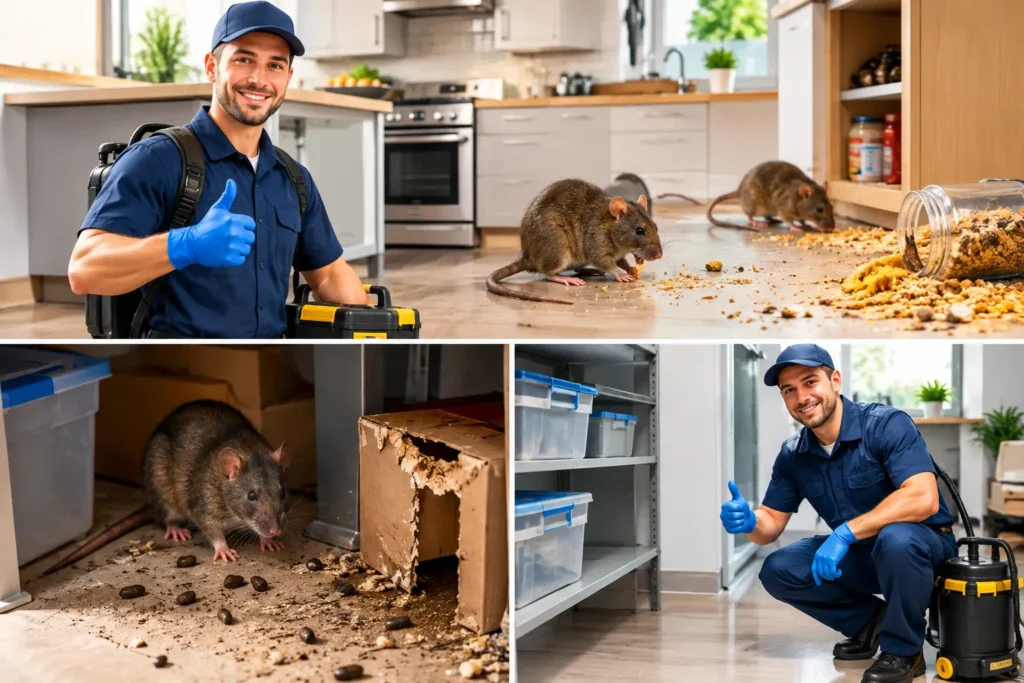
The visible signs can be unpleasant, but the hidden contamination is often the larger issue. Droppings may be scattered beneath insulation or behind stored items. Urine can soak into insulation, wood framing, subflooring, and nesting material. Rodents may tear insulation apart and move it around, leaving contaminated debris in places that are difficult to access safely.
A standard pest service and a professional cleanup service solve different parts of the problem. Pest control is generally focused on stopping active rodent activity. Cleanup focuses on what remains in the property after rodents have been present. When odors persist after trapping or exclusion work, contaminated insulation and nesting material are often part of the reason.
When a Rodent Cleanup Inspection Is Needed
A professional inspection is appropriate when there is clear evidence of rodent activity, recurring odors, or concern about a concealed area. Homeowners often call after discovering droppings in an attic or hearing movement above a ceiling. Landlords and property managers may need help after a vacancy inspection reveals odor, debris, or damage in a unit.
Commercial property owners face similar concerns. Warehouses, offices, schools, apartment buildings, and government facilities can have large attic areas, crawlspaces, utility rooms, and storage zones where contamination is easy to miss. A small visible area does not always show the full extent of what is above the ceiling or below the floor.
Signs that warrant a closer look include:
- Rat or mouse droppings in an attic, crawlspace, garage, cabinet, or storage area
- Persistent urine or musty odors that return after basic cleaning
- Torn, flattened, or displaced attic insulation
- Nesting debris near ducts, wiring, plumbing, or HVAC equipment
- Scratching noises in walls or ceilings, especially at night
- Rub marks, gnawing, or small gaps around exterior entry points
The right response depends on the condition of the property. A recently discovered, limited issue may require targeted removal and sanitation. A long-term attic infestation may call for removal of contaminated insulation, detailed cleaning, deodorization, and repair or sealing of entry points.
Why Attics and Crawlspaces Need Specialized Work
Attics and crawlspaces are not ordinary cleaning areas. They are often hot, dusty, poorly lit, tightly framed, and filled with insulation or mechanical components. Rodent contamination can be spread across large sections of these spaces, including areas that cannot be reached with household cleaning tools.
Attic insulation is especially important to assess. If rodents have repeatedly traveled, nested, or urinated in it, surface cleaning may not solve the odor or contamination issue. In those situations, removing affected insulation may be the more practical option. Once the debris and contaminated material are removed, the underlying surfaces can be professionally sanitized and treated for odor.
Crawlspaces present a different challenge. Moisture, soil, plumbing lines, ducts, and limited access can make rodent waste cleanup more complicated. Contamination may collect along foundation walls, beneath insulation, around piping, or near floor penetrations. Cleaning only the entry area can leave the main problem untouched.
Experienced cleanup work means inspecting the full accessible area, not guessing from a single odor source. It also means protecting the property during removal, using appropriate containment and cleanup procedures, and making sure debris is taken out rather than shifted to another part of the building.
The Difference Between Cleaning and Odor Removal
Many customers have already swept up droppings or used household odor products before calling. That can make a space look better temporarily, but persistent rodent odor usually has a source. If urine has affected insulation, wood, dust, nesting material, or hidden surfaces, fragrance products do not remove the contamination.
Professional rodent odor removal begins with finding and removing the affected material. After cleanup and sanitation, targeted deodorization can address the odor that remains in the area. Rodent Cleanup Experts uses a proprietary rodent scent neutralization treatment as part of a complete restoration approach.
There is a practical trade-off here. Deodorizing without removing contaminated materials can mask the issue for a short time. Removing materials without addressing odor at the source can also leave a space smelling unpleasant. The best result comes from matching the work to the actual condition of the attic, crawlspace, or interior area.
Preventing the Same Problem From Returning
Cleanup is more valuable when it is paired with prevention. If rats or mice can still enter the structure, new contamination can begin soon after the area is restored. During an inspection, attention should be given to openings that may allow rodents inside.
Common trouble areas include gaps at roof returns, unsealed utility lines, damaged vent screens, openings near eaves, crawlspace access points, and construction gaps around exterior walls. Rodents do not need a large opening to gain access, and a building can have more than one entry point.
Rodent Cleanup Experts identifies and seals rodent entry points as part of a long-term solution. The approach is humane and poison-free, with attention to families, children, pets, tenants, employees, and the property itself. Exclusion work does not eliminate the need for cleanup, but it helps protect the investment made in sanitation and restoration.
Service for Southern California Properties
Rodent contamination is not limited to one type of building. A single-family home in Los Angeles County may have an attic full of compromised insulation. An apartment property in Orange County may need unit-by-unit inspections and common-area cleanup. A warehouse in Riverside or San Bernardino County may have contamination in storage zones and overhead utility spaces. Ventura County homes can also face rodent entry through rooflines, crawlspaces, and aging exterior gaps.
The cleanup plan should fit the property, the extent of contamination, and access conditions. A qualified inspection provides a clearer scope before work begins. It also helps owners, managers, and facilities teams make decisions based on what is actually present rather than relying on odor alone.
Get a Clear Answer Before the Damage Spreads
If you are searching for vermin control near me because of rat droppings, attic odor, contaminated insulation, or nesting debris, do not assume traps alone have solved the problem. The activity may be reduced while the contamination remains overhead, under the building, or inside concealed areas.
Rodent Cleanup Experts provides professional rodent cleanup, attic and crawlspace sanitation, contaminated insulation removal, rodent urine odor removal, and entry-point sealing throughout Los Angeles, Ventura, Orange, Riverside, and San Bernardino counties. Call 833-END-RATS (833-363-7287) to schedule a professional inspection and get a practical plan for restoring your property.