
Last Updated: November 9, 2026
Quick Summary
To prevent rodents nesting beneath floorboards, trap and remove any rodents from the subfloor void first, then confirm the space is empty for several days before sealing. Seal small gaps with steel wool packed tight and covered with sealant, patch larger holes with hardware cloth and mortar, and screen vents with 1/4-inch mesh.
- Rats can enter through a gap about the size of a quarter.
- Sealing a hole while rodents are still inside traps them in the walls.
- Steel wool works because rodents cannot chew through it.
- Skip foam sealant alone, since mice chew straight through it.
- Check for new droppings, gnaw marks, and scratching sounds weekly for the first month.
Table of Contents
- Why Rodents Target the Space Beneath Your Floorboards
- How to Find Rodent Entry Points Under the House
- Scratching Under Floorboards at Night: What It Means and What to Do
- How to Seal Up to Prevent Rodents: A Safe Exclusion Sequence
- How to Keep Mice Out of Your House Naturally
- Floorboard Construction and Ventilation Considerations
- Monitoring and Verification After Proofing
- Schedule a Professional Rodent Cleanup and Exclusion Assessment
- Frequently Asked Questions
Why Rodents Target the Space Beneath Your Floorboards
Rats and mice look for three things: warmth, cover, and a short trip to food. The gap between your floorboards and the ceiling below delivers all three. That is why learning to prevent rodents from nesting beneath floorboards matters more than almost any other pest step you can take. This guide from Rodent cleanup experts walks through inspection, sealing, and follow-up so the problem stays solved.
The space under your floor is not empty. Insulation, wiring, and pipes run through it. Rodents shred that insulation for nesting materials and gnaw on wiring. A gap about the size of a quarter is enough for a rat to get inside a structure.
Subfloor Voids as Nesting Sites and Travel Routes
A subfloor void is the open cavity between the underside of your floorboards and the surface below it, in a crawl space or over a garage ceiling. It is dark, it stays warm in winter, and predators cannot reach it. For a rodent, that is a perfect nursery.
These voids also work as highways. Mice can move from one end of a house to the other without ever crossing a lit room. You hear them before you see them.
How to Find Rodent Entry Points Under the House
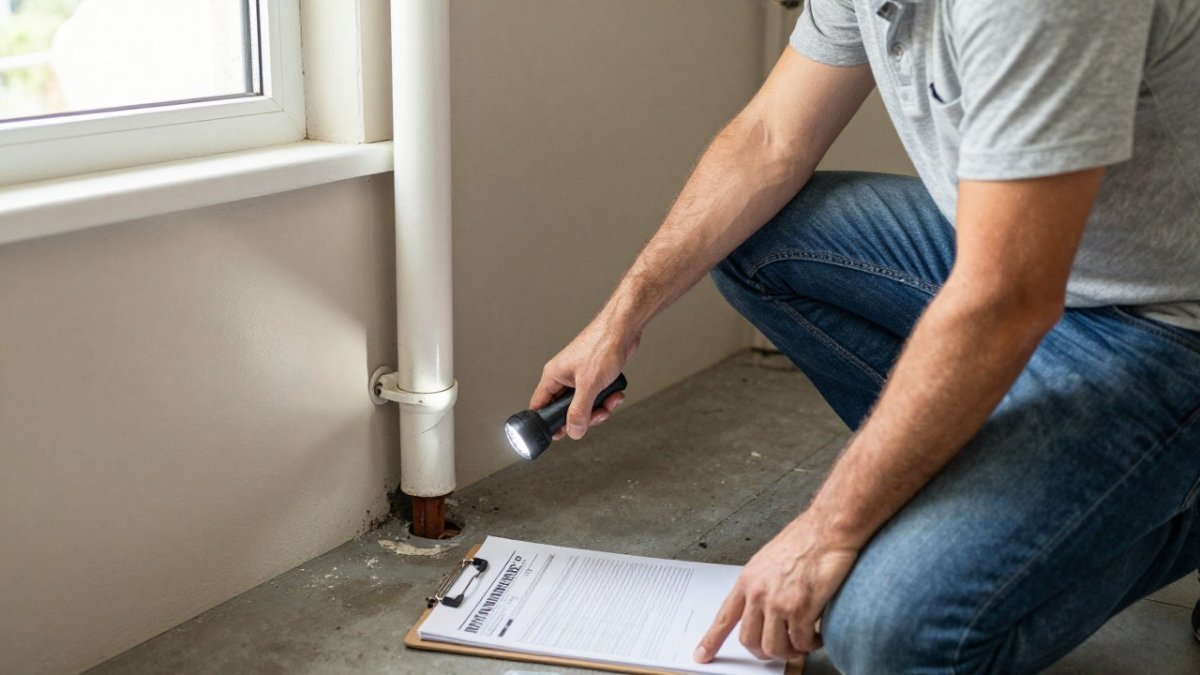
Finding entry points under the house starts with a slow walk around the outside of the foundation with a flashlight, checking every gap, pipe, and vent. Most openings sit low, where siding meets the foundation wall or where a utility line punches through.
Here is where to look:
- The sill plate, where the wood frame meets the concrete
- Around gas, water, and electrical lines entering the house
- Foundation vents and crawl space doors
- Cracks in block or poured concrete foundations
- The gap under exterior doors, which should clear the floor by no more than 1/4-inch according to the Illinois Department of Public Health rodent guidance
A Prevention-First Inspection Checklist for Floorboards and Crawl Spaces
Use this checklist before you seal anything. It helps catch openings that are easy to miss.
- Check for droppings, rub marks, and grease trails along foundation walls
- Look for gnaw marks on wood, wiring, and pipe insulation
- Probe insulation for tunnels and compressed nesting spots
- Trace scratching sounds to a specific wall or floor area
- Confirm crawl space vents are intact and screened
- Look for gaps around every pipe and conduit
- Check that tree limbs sit at least 6 feet back from the roof, per University of California IPM guidance
For a deeper walkthrough of foundation-level gaps, see how to block rodent access points in a foundation.
Scratching Under Floorboards at Night: What It Means and What to Do
Scratching under floorboards at night usually means an active rodent is moving through the subfloor void, and the sound is loudest after dark because rats and mice are nocturnal. Light, fast scrabbling is typically a mouse. Heavier thumps and gnawing point to a rat.
What to do first:
- Note the time and location of the sound for two or three nights.
- Look for droppings below the area on the floor above.
- Set traps in the void before you seal it, never after.
- Call a professional if the sound is constant or you smell ammonia.
That last point matters. Sealing a hole while rodents are still inside traps them in the walls. Sealing a space with rodents still inside can lead to dead animals in unreachable spots and odor problems. Always confirm the space is clear before you close it up.
How to Seal Up to Prevent Rodents: A Safe Exclusion Sequence
How to seal up to prevent rodents comes down to order of operations: clear the animals first, then close every gap, then verify. Skip the first step and you create a worse problem than the one you started with.
The safe sequence:
- Trap and remove rodents from the subfloor void.
- Confirm the space is empty for several days.
- Seal small gaps with steel wool packed tight, then cover with sealant.
- Patch larger holes with hardware cloth and mortar.
- Screen vents with 1/4-inch mesh.
- Re-inspect every sealed point after a week.
5 best ways to seal rodent entry points covers the materials and methods in more detail.
Rodent-Resistant Materials: Steel Wool, Mortar, and Hardware Cloth
Steel wool works because rodents cannot chew through it, and it holds its shape inside an irregular gap. Push it in tight, then cover the patch with mortar or a sealant so it stays put. Hardware cloth, a stiff welded wire mesh, backs up larger openings around vents and pipes. Mortar closes the rest.
Skip foam sealant alone. Mice chew straight through it.
The article lays out a fixed order of operations for sealing a subfloor void safely.
| Step | What to do | Note |
|---|---|---|
| 1 | Trap and remove rodents from the subfloor void | Do this before sealing |
| 2 | Confirm the space is empty | For several days |
| 3 | Seal small gaps with steel wool packed tight | Then cover with sealant |
| 4 | Patch larger holes with hardware cloth and mortar | For bigger openings |
| 5 | Screen vents with 1/4-inch mesh | Keeps airflow while blocking rodents |
| 6 | Re-inspect every sealed point | After a week |
How to Keep Mice Out of Your House Naturally
To keep mice out of your house naturally, focus on removing shelter and food rather than reaching for poison. The EPA guidance on preventing rodent infestations calls for removing leaf piles, deep mulch, and wood piles that sit against the home.
Practical steps:
- Move firewood and lumber well away from the foundation
- Trim shrubs back from exterior walls
- Store pet food and birdseed in sealed metal or glass containers
- Fix dripping outdoor faucets, since rodents need water too
- Clear cardboard, paper, and old fabric from crawl spaces and garages
These materials are nesting material to a rodent. Removing them removes the invitation. 7 steps for preventing rodent infestations in homes lays out the full plan.
Floorboard Construction and Ventilation Considerations
Most rodent advice treats the floor as a solid barrier. It is not. The way a floor is built and the way the space beneath it breathes determine how many ways in a rodent has and how attractive the void is once it gets there.
How floor construction changes the risk
Older homes often have wider board gaps and unsealed penetrations where plumbing and wiring drop through the floor. Those gaps can be small, but even a small opening can let a rodent through. Newer construction is tighter, but vent openings and utility chases still need screening, and a chase that runs from the crawl space to an upper floor is a ready-made highway.
Suspended timber floors, common in older homes, sit above a crawl space with a visible void. That void is where rodents nest. Slab-on-grade floors have no void, but the utility penetrations through the slab and the gaps at the sill plate still matter.
Why ventilation is part of rodent prevention
A crawl space with poor airflow stays humid. Humid wood is softer, easier to gnaw, and more inviting to nest in. Damp insulation also compresses and loses its shape, which creates the hollow channels rodents use as runs. Good cross-ventilation keeps the wood dry and the space less hospitable.
Check that foundation vents are open, screened, and not blocked by stored items. Air bricks, the perforated bricks set into foundation walls, serve the same purpose; if they are painted over, packed with debris, or missing their screens, airflow drops and rodents get a way in at the same time. A dry, moving-air crawl space is far less attractive than a damp, cluttered one.
The trade-off to watch
Sealing every gap is the goal, but sealing vents to keep rodents out can trap moisture and cause wood rot. Screen the vents with hardware cloth instead of closing them. That keeps rodents out while preserving airflow.
Watch out: if you seal a crawl space tightly without addressing moisture, you can create a damp environment that invites a different set of problems, including wood decay and mold.
Monitoring and Verification After Proofing
Proofing is not finished when the last gap is sealed. Verification is the step most homeowners skip, and it is the one that keeps rodents from coming back. Rats often return to the same nesting spot if the old nest is left in place.
So check for new droppings, fresh gnaw marks, and new scratching sounds every week for the first month. Replace any sealant that pulls away. Prevent rodents from returning after cleanup explains the follow-up routine in full.
Schedule a Professional Rodent Cleanup and Exclusion Assessment
Some jobs are safe to handle yourself. Contaminated insulation, heavy droppings, and persistent odor are not among them. Rodent waste carries bacteria and allergens, and a shop vacuum stirs that dust into the air.
At Rodent cleanup experts, we remove droppings and nesting materials, pull contaminated insulation, HEPA vacuum, sanitize, and treat odor and pheromones. We also identify likely entry points so you can reduce the risk of a repeat infestation. We serve homeowners, landlords, and property managers across Los Angeles, Ventura, San Bernardino, Riverside, and Orange Counties.
If you have found evidence under your floors, rodent exclusion and cleanup services explains the professional process and what to expect.
Rodents under the floorboards will not leave on their own, and sealing too early makes things worse. Get the space cleared, cleaned, and sealed in the right order. Get started with Rodent cleanup experts and restore a clean, sanitary home with the entry points properly closed.
Frequently Asked Questions
How can I get rid of rats under my floorboards?
Start by inspecting the subfloor void for droppings, nesting materials, and gnaw marks. Set traps or bait stations in the crawl space, but do not seal openings until you confirm the rodents are gone. Otherwise you risk trapping them inside, which can lead to odor problems. Once activity stops, seal every gap larger than a quarter-inch with steel wool and mortar, and remove outdoor clutter that provides shelter.
What are the signs of rodents nesting beneath floorboards?
Listen for scratching under floorboards at night, which is when rodents are most active. Look for droppings near foundation vents, grease marks along walls, and shredded insulation, cardboard, or fabric in the crawl space. A musky odor rising through the floor can also indicate a nest. From outside, check for gnaw marks around utility line openings and gaps in the foundation.
What materials can you use to seal rodent entry points?
Steel wool packed tightly into gaps and held in place with mortar or caulk works well because rodents cannot chew through it. For larger openings, use hardware cloth, secured over vents and pipe openings. Avoid using expanding foam alone, as rodents can gnaw through it. Always seal around utility lines and foundation vents, and trim tree limbs back at least 6 feet from the roof.
When should you call a pest control professional for rodents under the floor?
Call a professional if you hear persistent scratching for more than a week, find large amounts of droppings, or cannot locate the entry points yourself. A pest control company can trap and remove the rodents, while a rodent cleanup service handles contaminated insulation, sanitizing, and odor removal. If you have pets or children, professional exclusion reduces the risk of secondary poisoning from rodenticides.
