
Table of Contents
- How Ozone Generators Work for Odor Removal
- Ozone Generator for Rat Smell: What It Can and Cannot Do
- Why Cleaning and Removing the Odor Source Comes First
- How to Get Rid of Dead Mouse Smell: The Complete Approach
- Is Ozone Safe for Pets and People: Health Risks to Know
- Professional Rodent Odor Removal vs. DIY Ozone Treatment
- Making Your Decision: A Rodent Smell Decision Framework
- Conclusion
- Frequently Asked Questions
Last Updated: October 9, 2026
How Ozone Generators Work for Odor Removal
They range from portable single-room units to whole-house machines, creating ozone by passing oxygen through an electrical discharge or UV light.
The appeal: ozone reaches spaces physical cleaning cannot, penetrating walls, crawl spaces, attics, and enclosed areas where rodent odors linger.
Ozone Generator for Rat Smell: What It Can and Cannot Do
Ozone can reduce some odors, but only under specific conditions. It works best on airborne odor molecules and fresh odors. Once compounds soak into insulation, drywall, wood, or other porous surfaces, effectiveness drops significantly, ozone treats smell in the air, not smell embedded in materials.
The Four Rodent Odor Sources and How Each Responds to Ozone
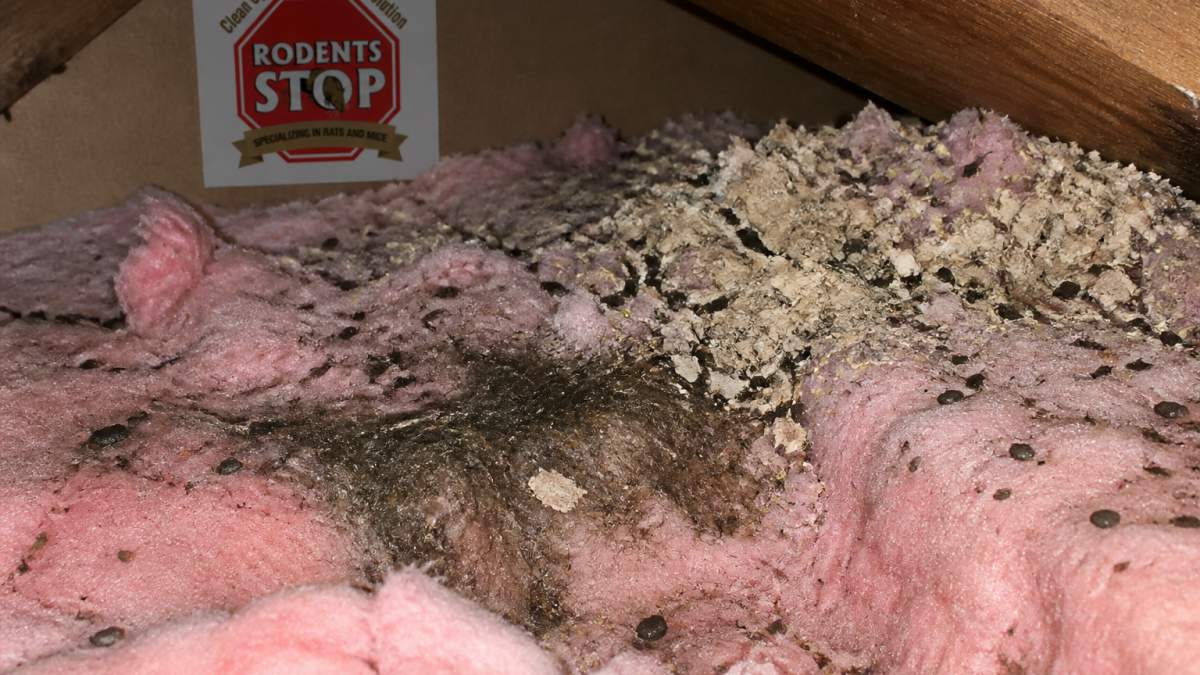
**1. Ozone can oxidize airborne ammonia and some volatile organics, but it cannot reach urine wicked into fiberglass insulation or soaked into a subfloor.
2. Droppings. Fresh droppings release odor as they dry and decompose; older ones carry bacteria.
**3.
4. A dead rodent. A decomposing carcass produces some of the most intense odors, driven by bacterial breakdown releasing volatile sulfur and amine compounds.
5. Pheromones. Rodent pheromones in urine mark territory and attract new rodents, and they are designed to persist.
Why This Matters for Your Decision
If the smell comes from any physical source above, an ozone generator treats the symptom, not the cause. The room may smell better for a few days, then the source keeps releasing odor. Ozone is a finishing step, not a first step, it belongs at the end of a cleanup, after contaminated materials are gone.
Ozone can reduce airborne odor molecules. It cannot remove urine soaked into insulation, droppings on a subfloor, a saturated nest, or a decomposing carcass. If any of those are still present, ozone treatment will produce temporary relief at best.
Why Cleaning and Removing the Odor Source Comes First
The only way to permanently eliminate rodent odor is to remove the source. No machine, spray, or treatment can overcome contaminated insulation, nesting materials, and feces left in place.
The process requires:
- Locating all contaminated areas in the attic, crawl space, walls, and other affected zones
- Removing contaminated insulation and nesting materials
- Cleaning and disinfecting hard-to-reach surfaces
- Properly disposing of contaminated materials
- Replacing insulation with fresh, clean material
Only after these steps are complete does any odor treatment, including ozone, have a real chance of working.
We’ve seen countless homeowners try ozone generators first, then call for professional help when the smell returned.
How to Get Rid of Dead Mouse Smell: The Complete Approach
A single decomposing mouse or rat can make an entire room unbearable. The smell comes from bacterial breakdown of the body, which releases volatile compounds into the air.
Locating and Removing Contaminated Materials
The first step is finding the dead rodent. This is harder than it sounds, a dead mouse in a wall cavity or attic can be nearly impossible to locate by smell alone.
Signs to look for:
- Visible droppings concentrated in one area
- Staining on insulation or wood from urine
- Nesting material gathered in corners or cavities
- Flies or maggots near the decomposing body
- Air movement patterns that carry the strongest smell
Once located, the area must be carefully opened, the animal removed, and all surrounding materials that absorbed odor cleaned or replaced. Rodent contamination involves bacteria and pathogens requiring proper protective equipment and disposal methods.
Sanitizing Hard-to-Reach Areas
After removing the visible source, contamination remains in places you cannot see: urine soaked into insulation, feces in crevices, bacteria on surfaces.
Hard-to-reach areas need:
- HEPA vacuuming to capture microscopic particles and allergens
- Chemical disinfection of surfaces
- Enzyme treatments that break down organic matter at the molecular level
- Proper ventilation during and after treatment
Only after these steps are complete should any odor-treatment machine be considered.
Is Ozone Safe for Pets and People: Health Risks to Know
This is where ozone generators present a real problem for homeowners with pets.
Ozone is a respiratory irritant. Breathing high concentrations can damage lung tissue, trigger asthma attacks, and cause coughing, chest pain, and shortness of breath.
The EPA guidance on ozone notes that ozone at ground level is a harmful air pollutant, not a safe indoor air treatment.
If you use an ozone generator:
- Vacate the building with all people and pets
- Run the machine in an unoccupied space
- Allow several hours for ozone to dissipate before re-entering
- Ventilate thoroughly by opening windows and doors
- Never run it while anyone is home
For households with pets, this means leaving your home for extended periods, pets cannot be present during treatment.
Professional Rodent Odor Removal vs. DIY Ozone Treatment
The choice between DIY ozone treatment and professional cleanup comes down to realistic expectations and safety.
When Ozone Machines Make Sense
Ozone generators may provide temporary relief in limited situations:
- After professional cleanup has removed the source, as a final step to address residual airborne odor
- For fresh, light odors that haven’t penetrated materials deeply
- In well-ventilated spaces where you can safely run the machine and allow proper dissipation
In these cases, ozone is a supplementary tool, not the primary solution.
When Professional Cleanup Delivers Better Results
Professional rodent odor removal is the better choice when:
- The odor is strong and persistent after weeks or months
- You have pets that cannot be displaced during treatment
- The contamination is extensive across multiple rooms or areas
- You’ve already tried DIY solutions and the smell returned
- You want a permanent fix, not temporary relief
Professional teams bring proper equipment, protective gear, disposal methods, and expertise in locating contamination you might miss. Professional rodent infestation cleanup handles the complete process: inspection, source removal, sanitization, and odor treatment. We identify entry points so you can prevent future infestations, eliminating the smell permanently by eliminating the cause.
Making Your Decision: A Rodent Smell Decision Framework
Most guides say “remove the source first” and stop there. That advice is correct but incomplete. The harder question: given your situation, is ozone generator worth it for rodent smell considering the disruption and safety risk? Use the decision tree below.
Step 1: Identify What Kind of Smell You Have
Accessible source. You can see or reach the contamination: droppings in a garage corner, a nest in an attic, urine staining on exposed wood.
Hidden contamination. The smell is strong but you cannot find the source, common locations include wall cavities, ceiling voids, subfloor spaces, and insulation behind finished walls.
Carcass smell. A dead rodent produces a sharp, decaying odor distinct from the musty ammonia smell of urine.
Old, entrenched odor. The smell has been present for months or years, and urine and oils have penetrated deep into porous materials.
Step 2: Compare Your Realistic Options
Option A: Source removal plus cleaning, no ozone. Remove contaminated insulation and nesting material, HEPA vacuum, apply disinfectant and enzyme treatment, and ventilate.
Option C: Ozone alone, no source removal. This is the scenario most homeowners fall into, and it wastes money.
Option D: Professional remediation. When contamination is extensive, hidden, or involves a carcass in a wall cavity, professional removal is usually most efficient.
Step 3: Weigh the Hidden Costs of DIY Ozone
The purchase price is only part of the cost. Consider what else you spend:
- Time out of the home. You and every pet must leave during treatment and stay out until ozone levels drop, several hours to a full day, sometimes longer in poorly ventilated spaces.
- Repeat treatments. Because ozone does not remove the source, many homeowners run the machine multiple times, each run meaning another day out of the house.
- Safety risk if done wrong. Re-entering too early, running the machine in an occupied space, or failing to ventilate properly can expose people and pets to a respiratory irritant.
- No verification. After a DIY ozone run, you have no reliable way to confirm the odor source is gone, only whether the smell seems better.
Add those costs together and the gap between DIY ozone and professional source removal narrows considerably, especially if you end up paying for both.
Step 4: Verify the Result and Watch for Recurrence
If you proceed with ozone after source removal, do not assume the job is done because the room smells better on day one. Odor perception adapts quickly, and a faint smell can be masked by residual ozone.
A practical verification approach:
- Wait 48 to 72 hours after treatment before judging the result. This gives any remaining odor source time to reveal itself.
- Check on a cool, humid morning. Odors are often strongest when the air is still and humidity is high.
- Inspect the area again. Look for new droppings, fresh urine staining, or gnaw marks. New signs mean rodents are still active and the odor will return.
- Smell from outside the room. Stand in an adjacent space and see if you can detect the odor through a doorway. This catches smells you have gone nose-blind to.
If the smell returns within a few weeks, that is a strong signal that contamination remains somewhere you have not addressed. At that point, the next step is inspection, not another ozone run.
The Short Version
An ozone generator is worth it for rodent smell only when the source is already gone and you are chasing residual airborne odor. If the source is still present, hidden, or is a decomposing carcass, ozone is not worth the money, the disruption, or the safety risk. Spend that effort locating and removing the contamination instead.
If you cannot identify where the smell is coming from, do not buy an ozone generator as a first step. Hidden contamination is the most common reason ozone treatment fails, and it is the most common reason homeowners end up calling a professional after already spending money on a machine.
Conclusion
Ozone generators can reduce airborne odors temporarily, but they cannot eliminate rodent smell permanently without first removing the contaminated materials causing it. Dead rodents, soaked insulation, feces, and urine are the real problem.
If you’re dealing with persistent rodent odor, the most effective approach is professional source removal followed by proper sanitization. Professional rodent infestation cleanup provides comprehensive inspection, contamination removal, HEPA cleaning, and odor treatment designed to eliminate the problem at its root. We identify where rodents entered your home so you can prevent future infestations.
Frequently Asked Questions
Will an ozone generator completely remove rodent smell from my home?
Ozone generators can reduce airborne odors, but they cannot eliminate smell if the source remains. Dead rodents, contaminated insulation, urine-soaked materials, and droppings must be physically removed first. Even after source removal, ozone works best in enclosed spaces where the gas can circulate freely. Many homeowners find that source removal alone resolves most of the odor without needing additional treatment.
Is ozone safe for pets and people to breathe?
Ozone at high concentrations causes respiratory irritation, coughing, and throat irritation in both people and pets. The EPA warns against using ozone generators in occupied spaces. If you use an ozone machine, the area must be completely unoccupied during treatment and for the re-entry period specified by the manufacturer, typically several hours. Pets should be removed from the property beforehand. Consult your veterinarian if your pet has respiratory conditions.
How long does rodent smell last after I remove the source?
Smell duration depends on how much contamination exists and how thoroughly the source is removed. Fresh rodent urine and droppings may linger for days to weeks after removal. Odor in porous materials like insulation can persist for months if not fully replaced. Professional sanitization and ventilation accelerate the process. Residual odors often fade faster than homeowners expect once contaminated materials are gone and surfaces are disinfected.
Should I use an ozone generator or hire a rodent cleanup professional?
Ozone generators are most cost-effective for minor surface odors in small, enclosed spaces after thorough cleaning. Professional rodent odor removal is necessary if the infestation affected insulation, walls, crawl spaces, or HVAC systems, or if you cannot safely access and remove all contaminated materials yourself. Professionals use HEPA vacuuming, specialized disinfectants, and proper safety protocols that ozone machines alone cannot provide. For extensive contamination, professional cleanup prevents health risks and ensures the odor does not return.